
Rey's Garment Care
Something spilled?
Start here.
Tell Stain Assist what happened and get calm, practical guidance in the moment - what to do now, what to avoid, and when it is safer to let our team take over.
Blot, never rub.
Rubbing drives it deeper into the fibers.
Keep it cool.
Heat sets most stains for good.
Less is more.
On silk, cashmere or suede, do nothing more.
Stain Assist
Tell us what happened. Add a photo if you can.
Start with one of these
The Care Library
Browse by stain, fabric or situation
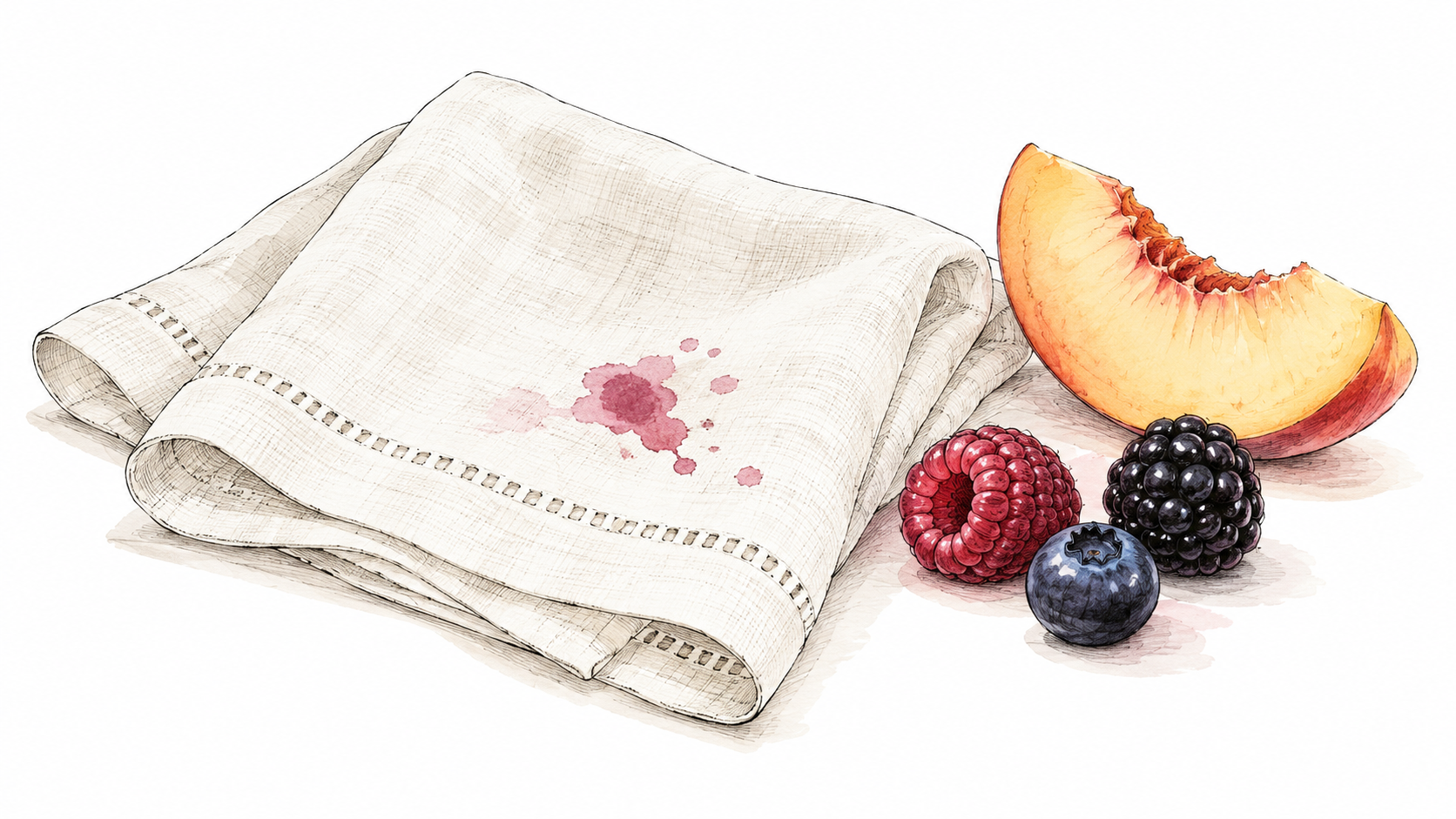
Berries & Fruit Stains
Berries, citrus and other fruit stains are concentrated tannin pigment - among the most stubborn stains to self-treat once they set.
Read the guide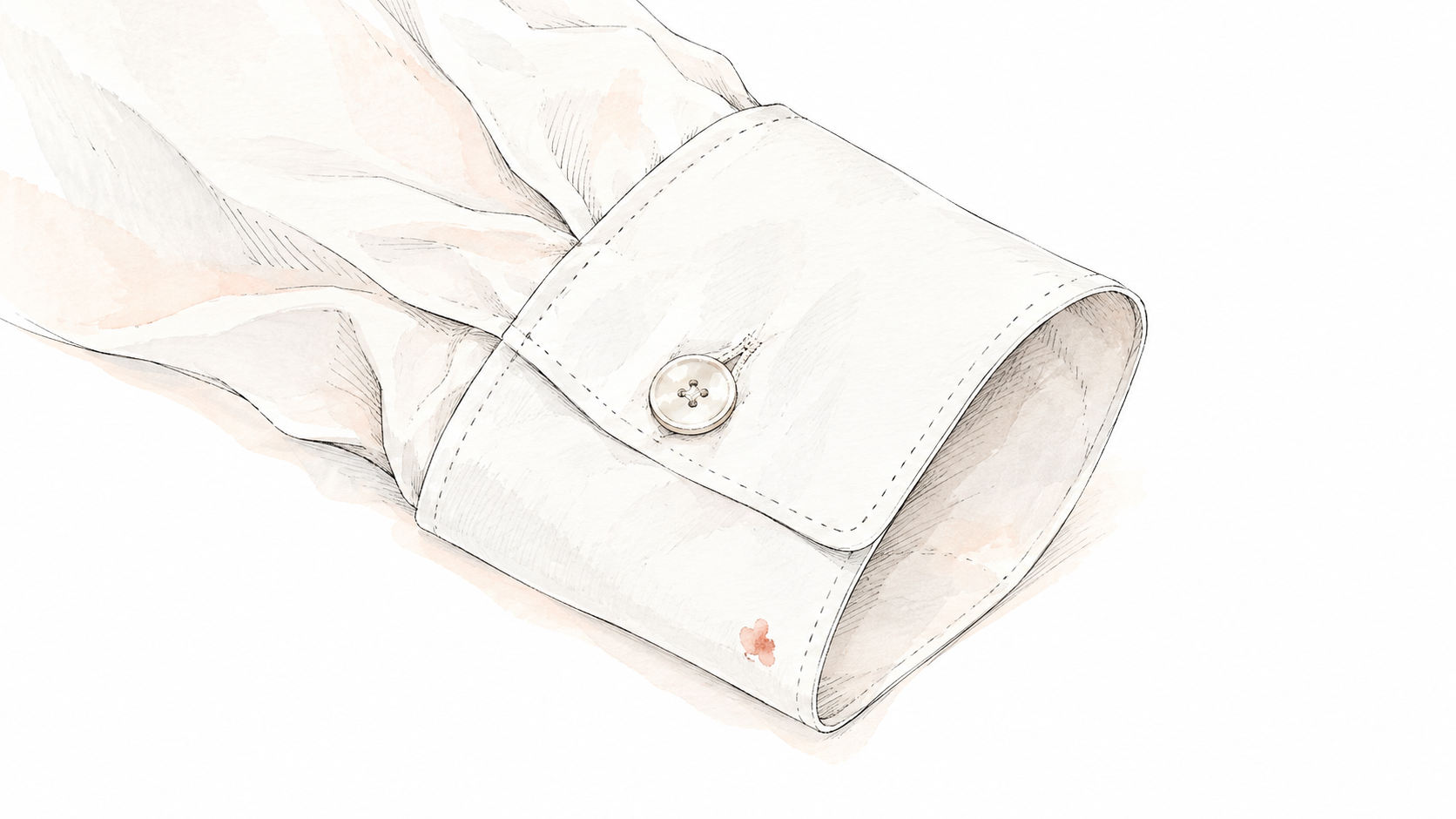
Blood
A protein stain. Cold water only; heat can set it permanently.
Read the guide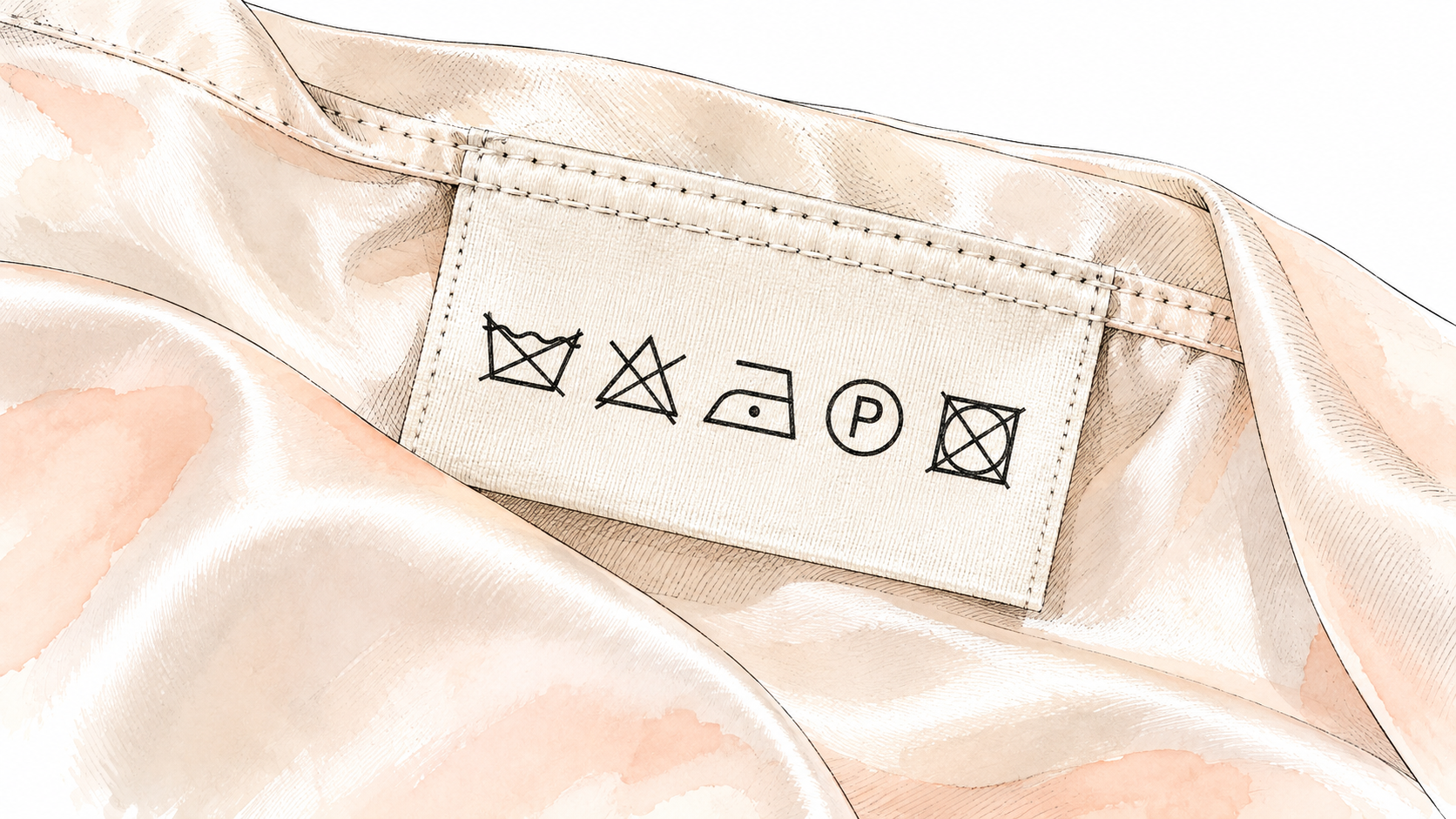
Care Label Symbol Decoder & Fabric Identification
The official international care symbol guide: wash tubs, bleaching triangles, drying squares, iron dots, and dry clean circles. Why you should never cut your care labels off.
Read the guide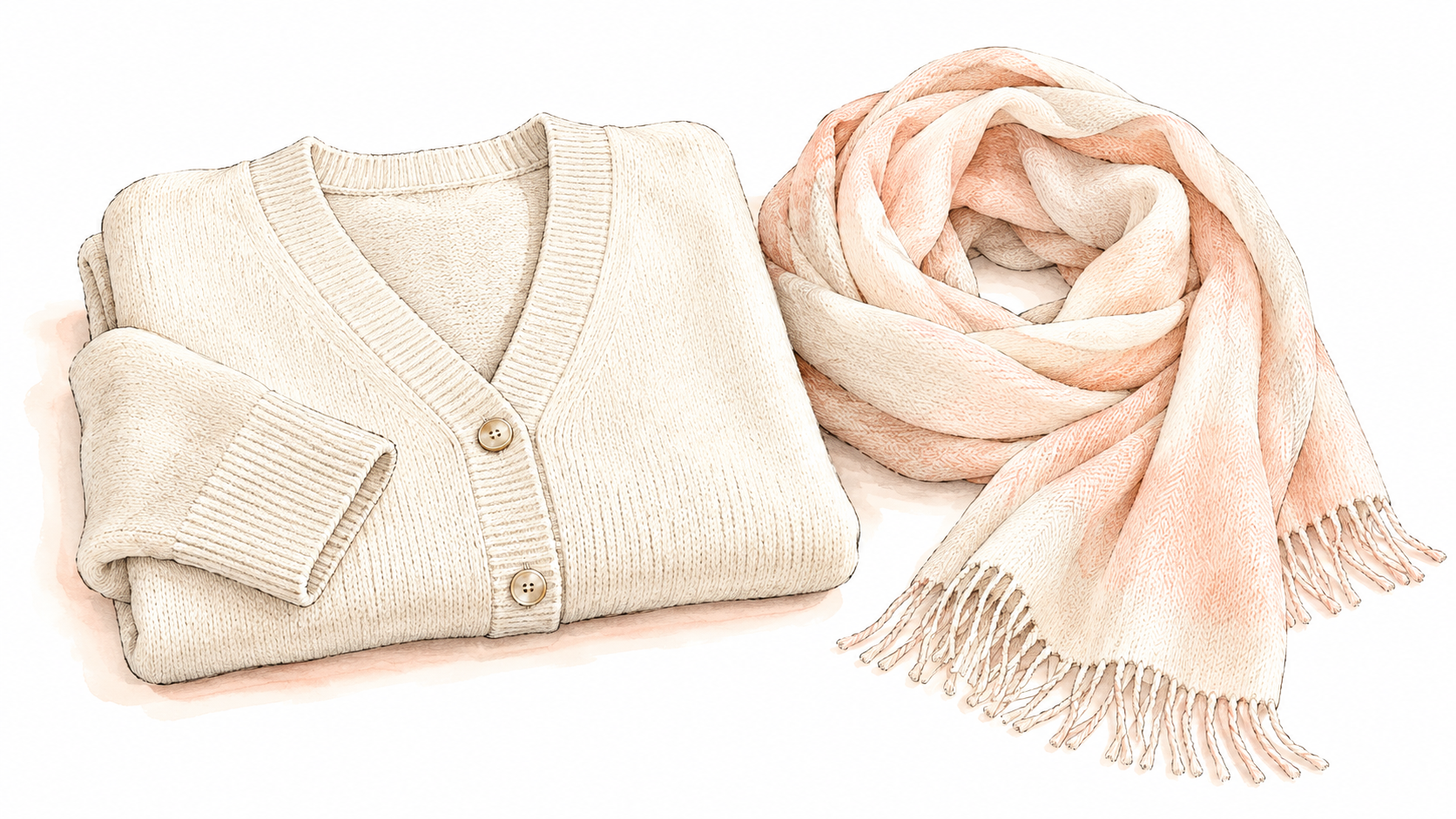
Cashmere & Fine Wool
Soft fibers that felt, stretch and shrink with heat and agitation.
Read the guide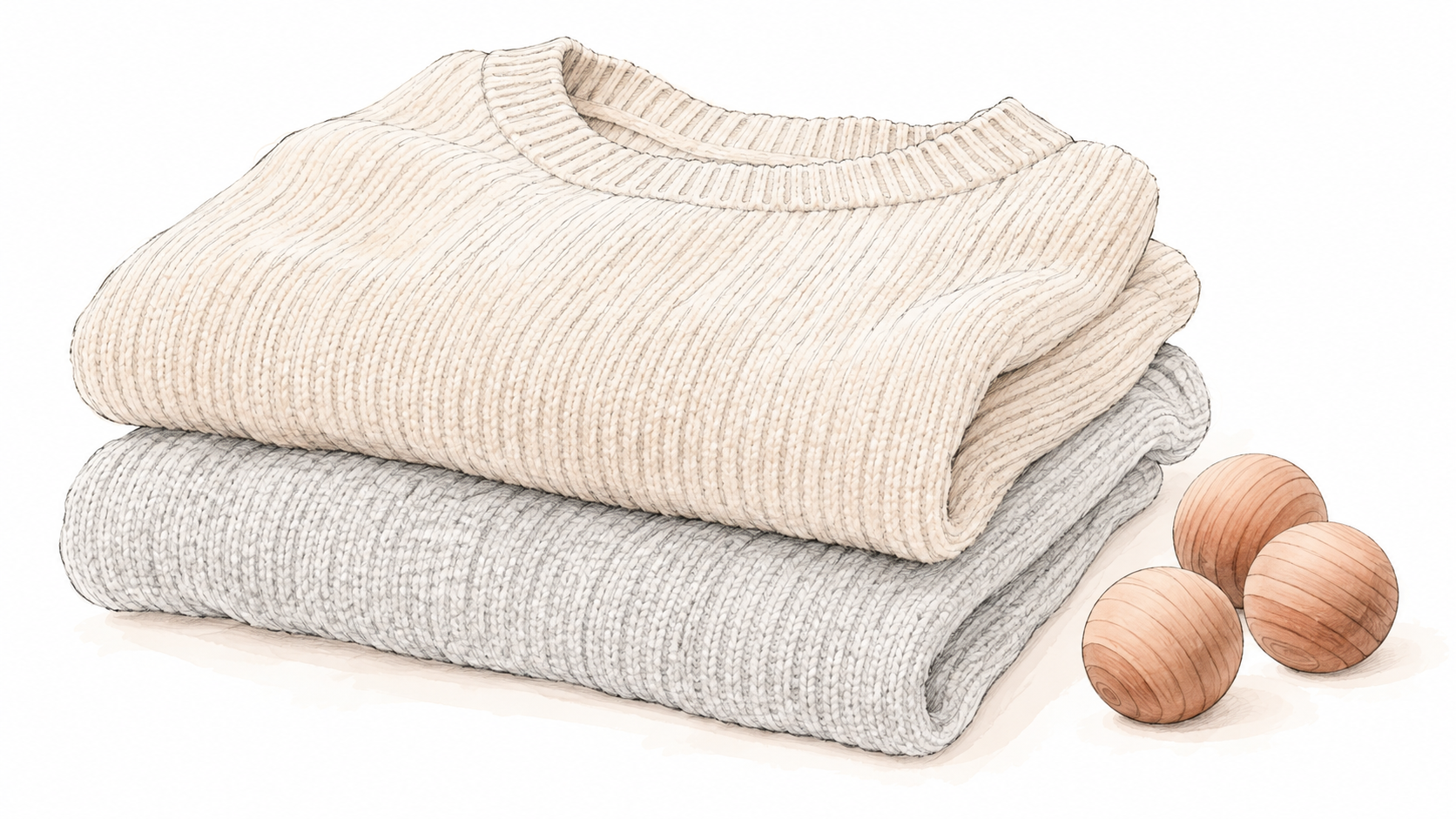
Cashmere & Wool Sweater Care
How to care for cashmere sweaters, prevent pilling, and safely store fine knitwear without stretching or moth damage.
Read the guide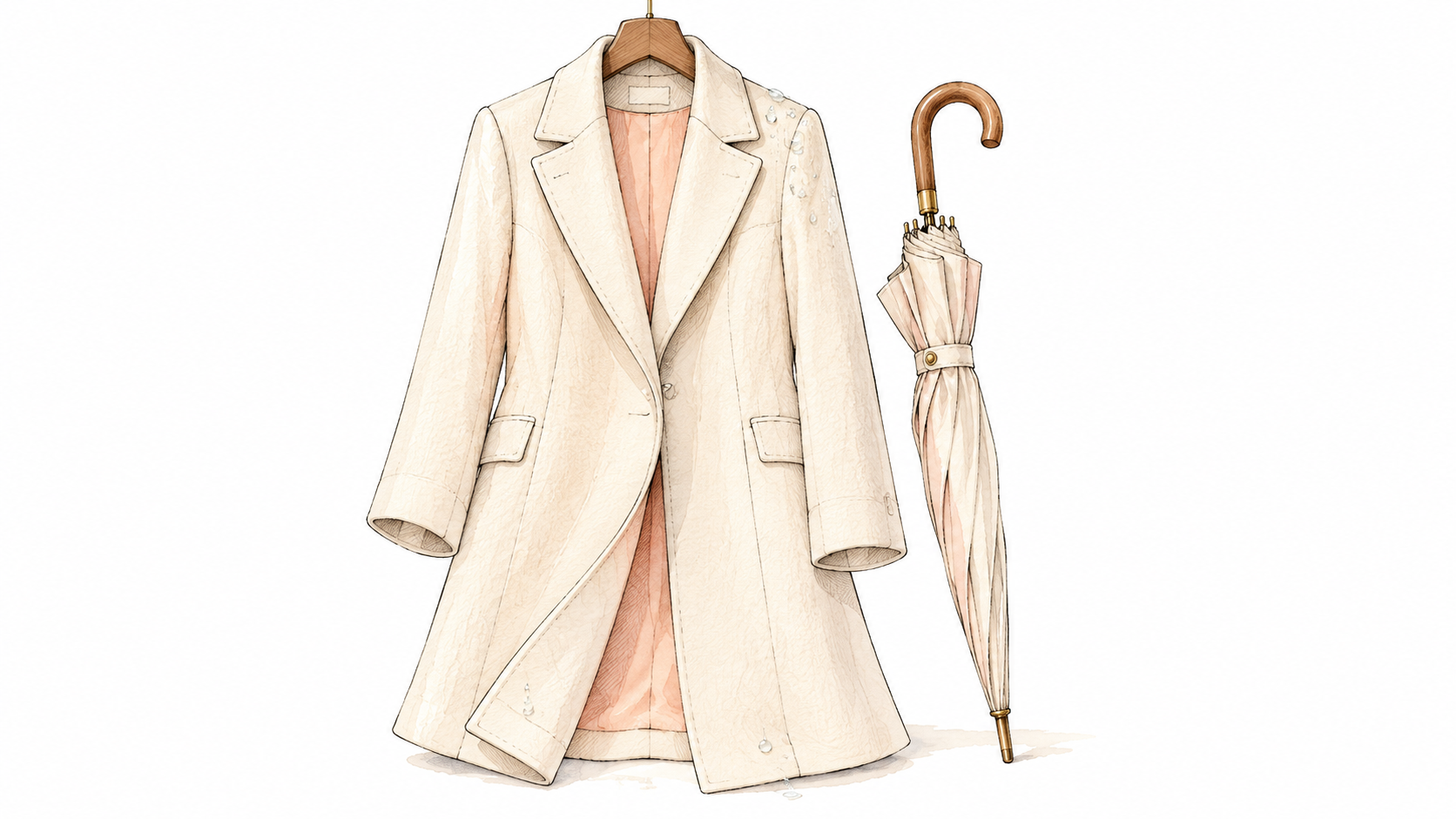
Caught in the Rain
A soaking from rain is usually low-risk, but how a garment dries afterward matters as much as the rain itself.
Read the guide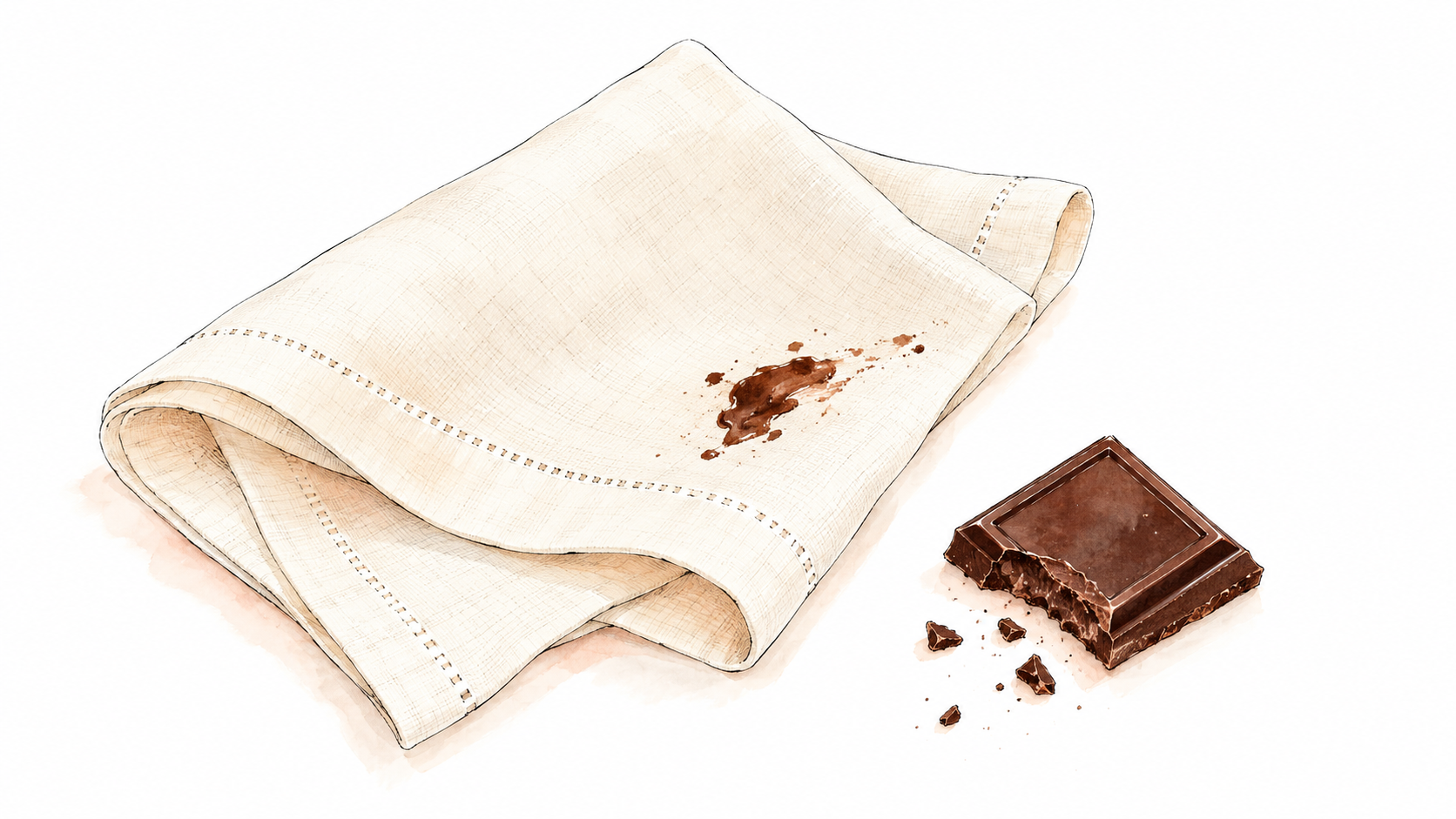
Chocolate
Chocolate is both a fat (cocoa butter) and a pigment stain, and melted chocolate often carries dairy from milk or cream as well.
Read the guide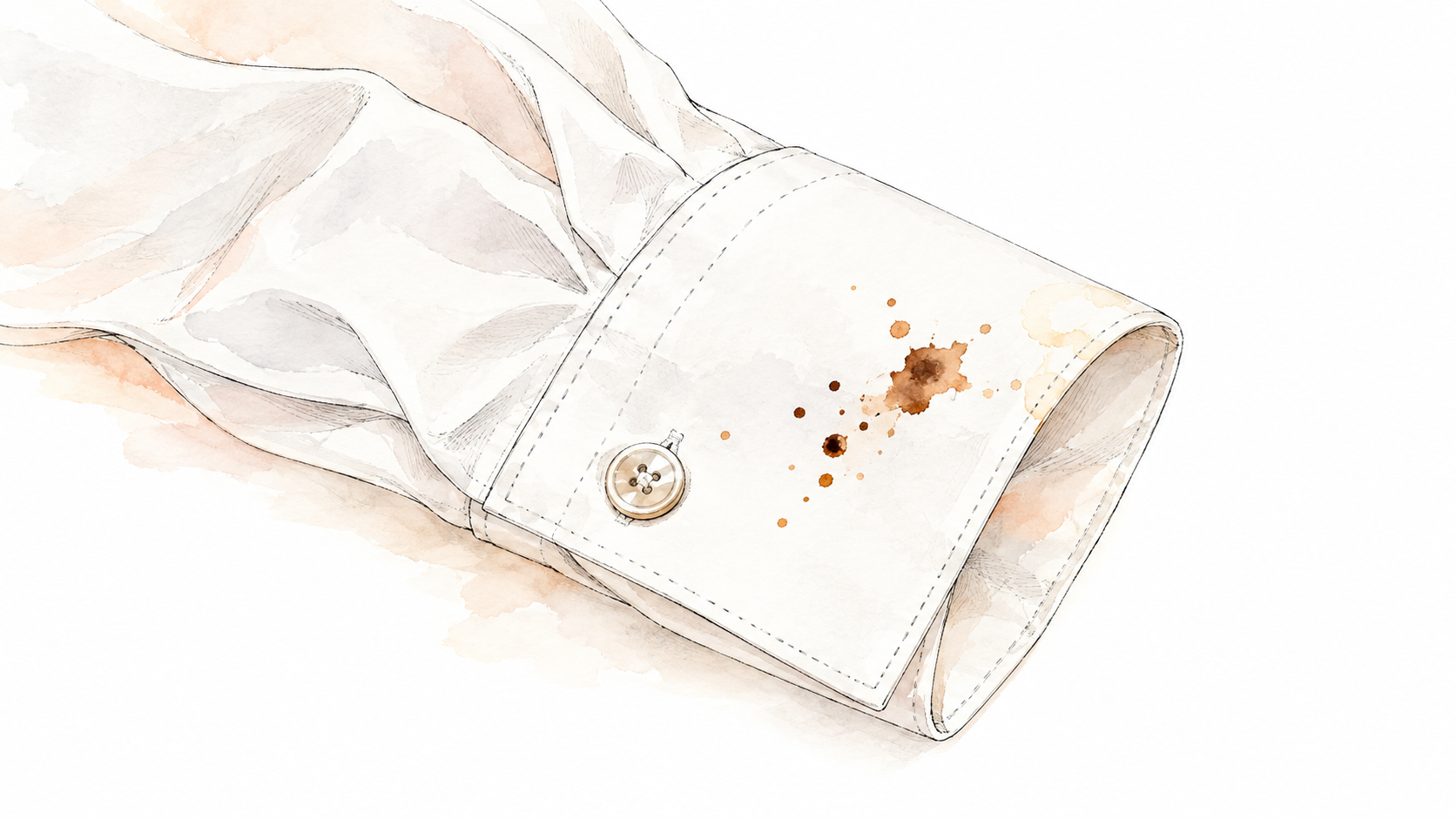
Coffee & Tea
Tannins plus, often, milk and sugar. Cold water first; milk adds a protein stain that heat will cook in.
Read the guide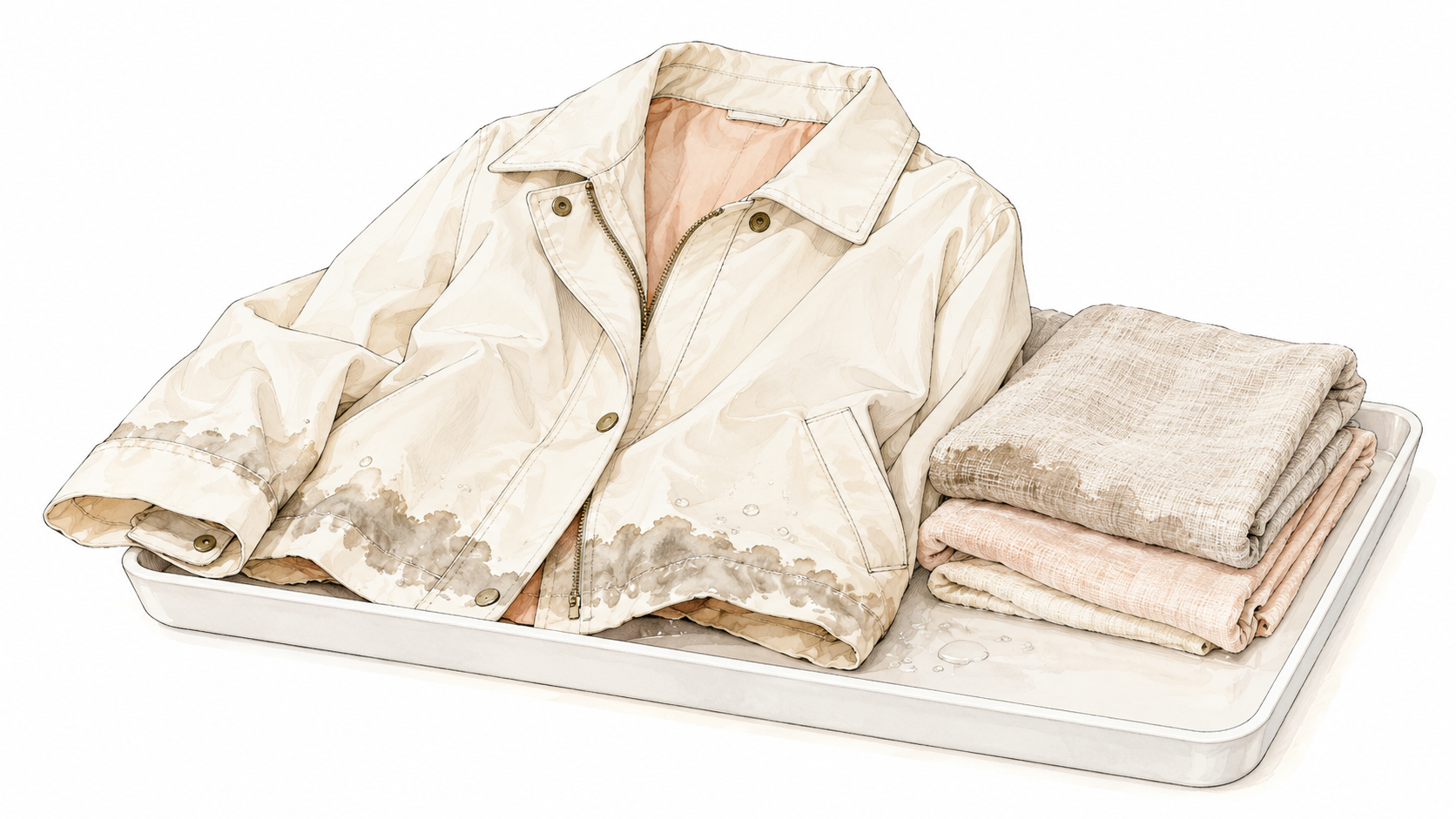
Garments After a Flood or Water Damage
Clothing exposed to floodwater carries contamination risk beyond ordinary water damage, and mold can begin growing within 24 to 48 hours.
Read the guide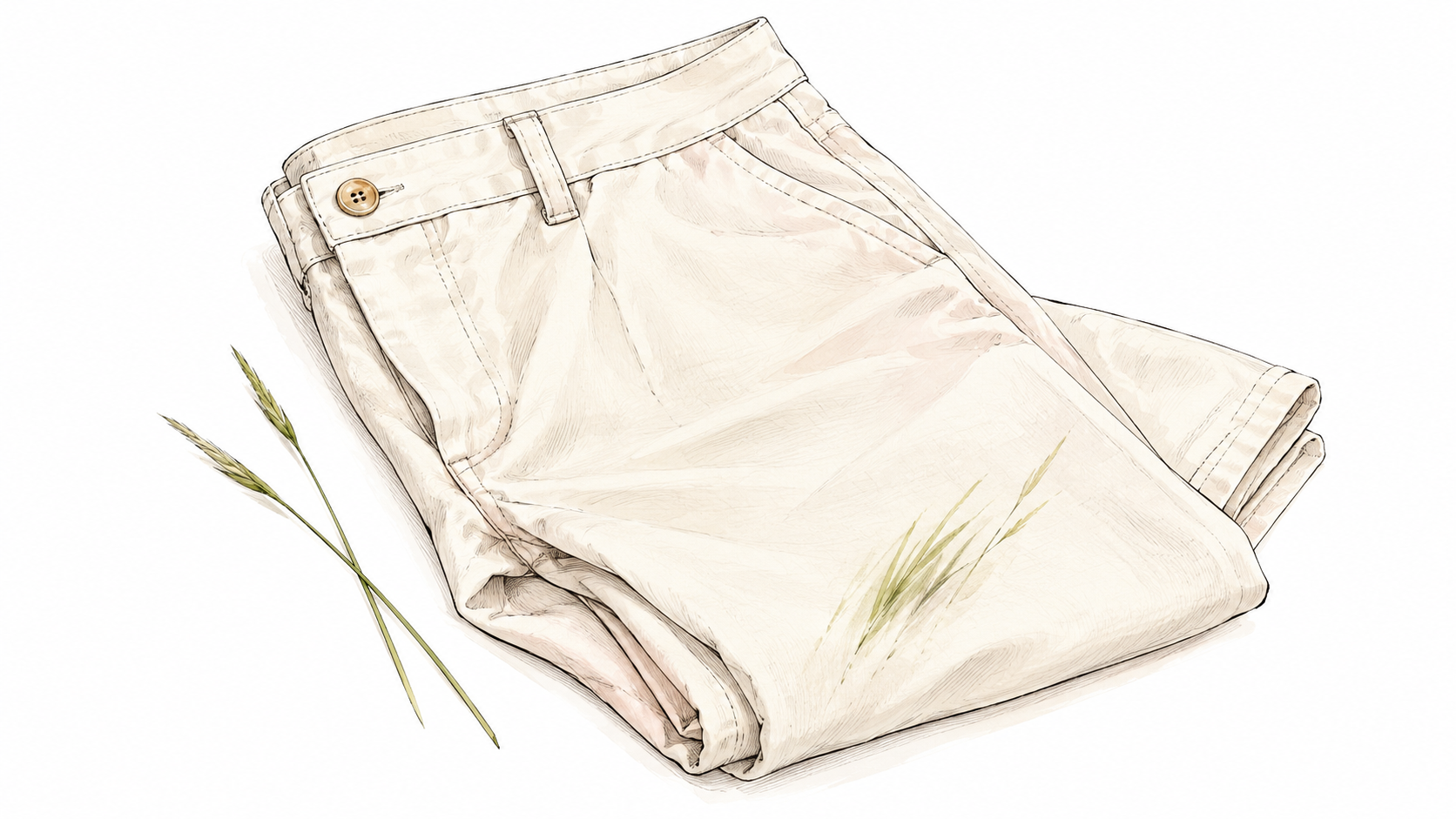
Grass Stains
Grass stains are a plant-pigment and protein mix that bonds quickly to fabric fibers, especially on knees and cuffs.
Read the guide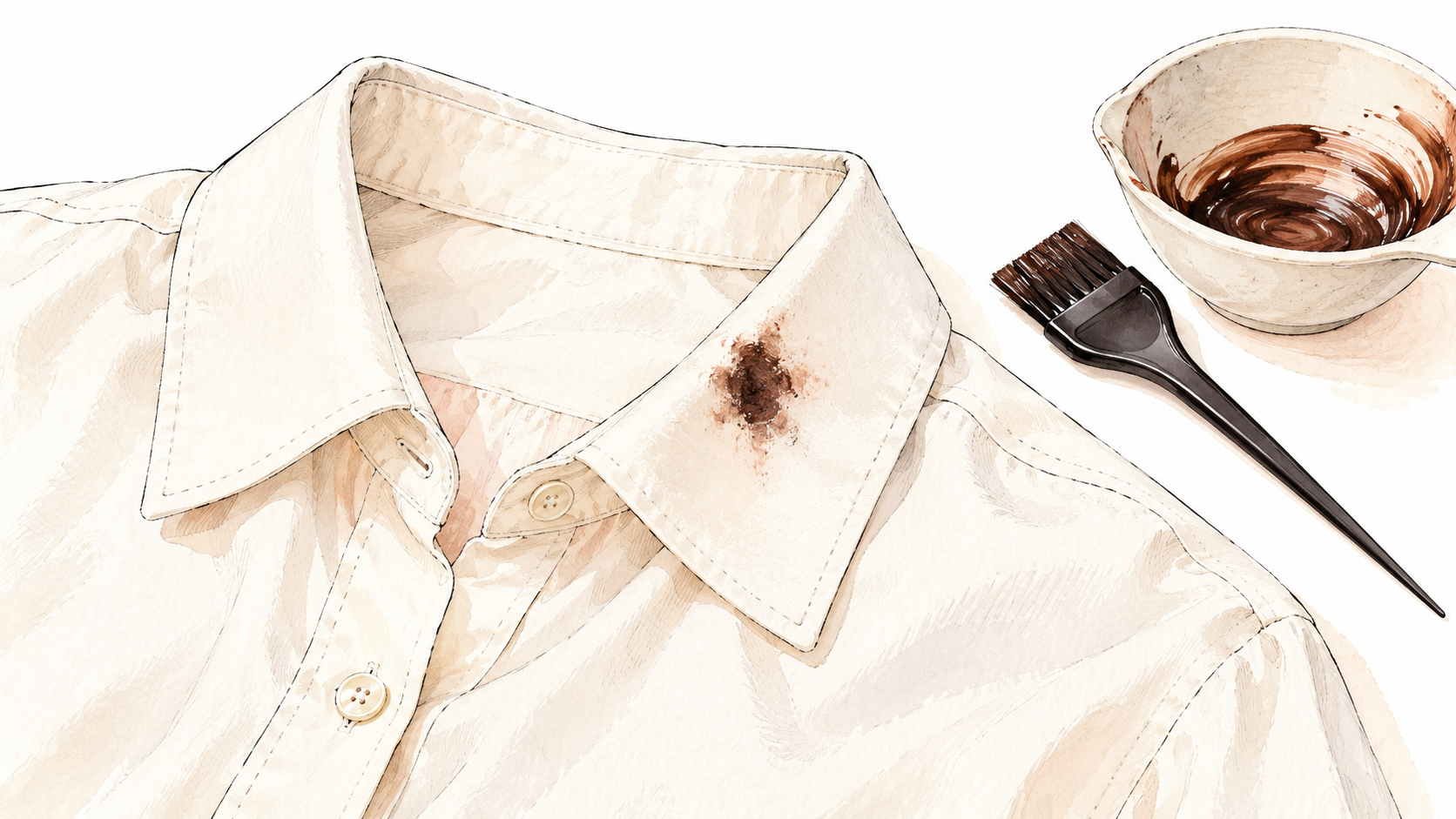
Hair Dye
Permanent and semi-permanent hair dye is a fast-bonding synthetic pigment. The window to act is minutes, not hours, and home remedies routinely make it worse.
Read the guide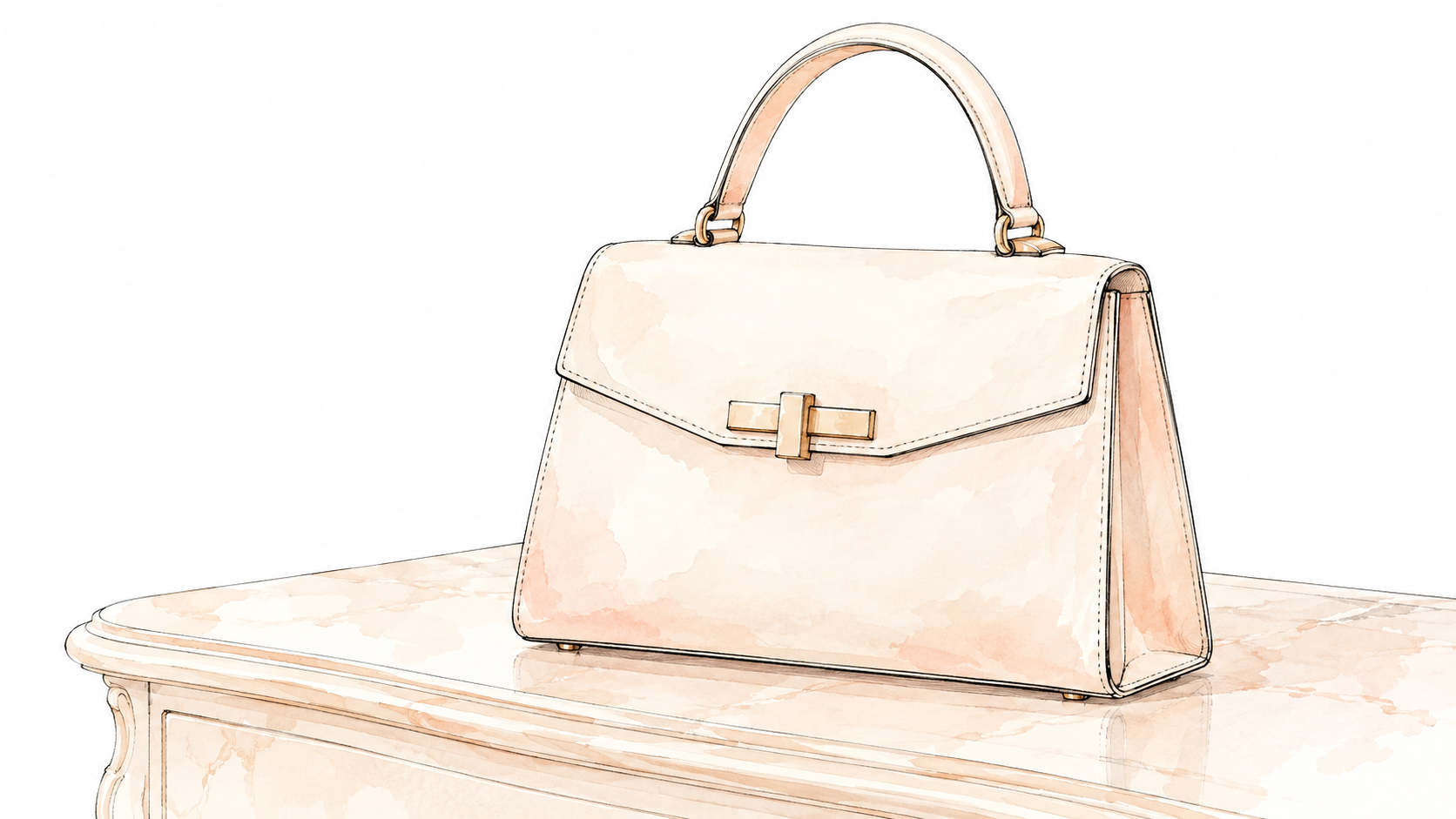
Handbag & Designer Leather Care
How to clean designer bag linings, protect untreated vachetta leather, and care for luxury purses without water stains or color transfer.
Read the guide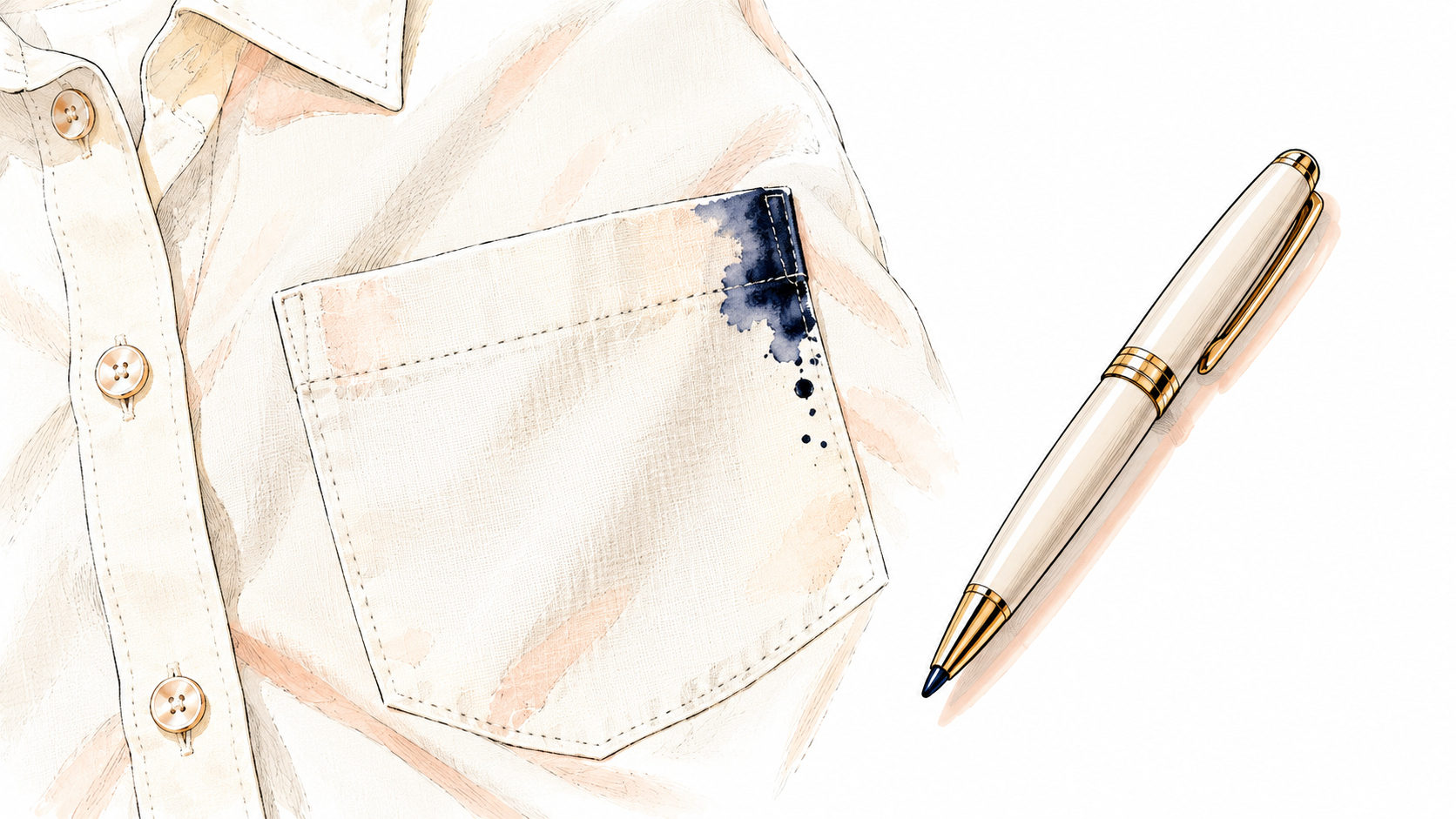
Ink
Ballpoint, gel and marker behave differently. Most home remedies spread ink further.
Read the guide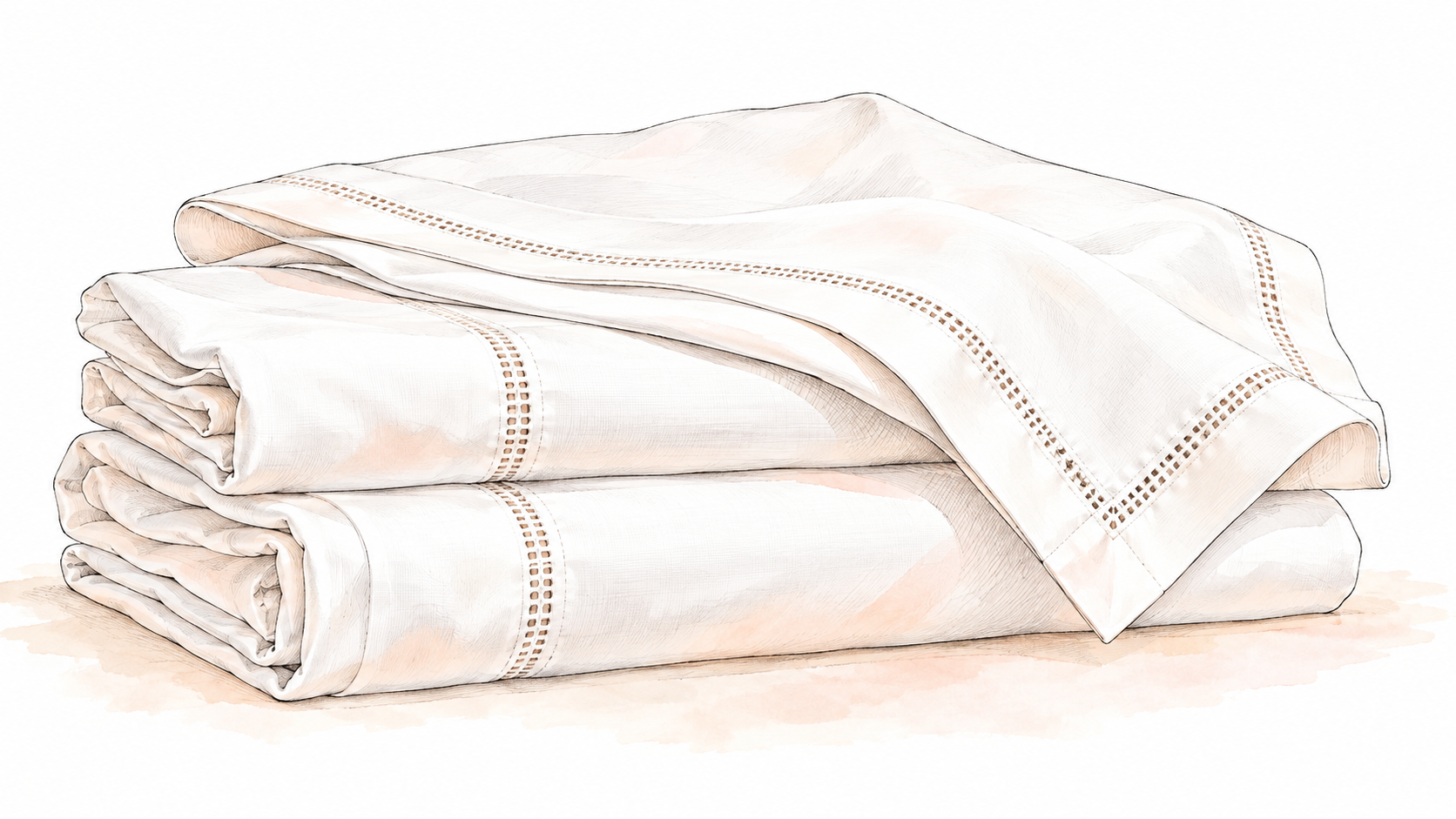
Luxury Bed Sheets & Fine Linens Care
How to care for high-thread-count Egyptian cotton sheets, linen bedding, and down comforters to maintain crispness and softness.
Read the guide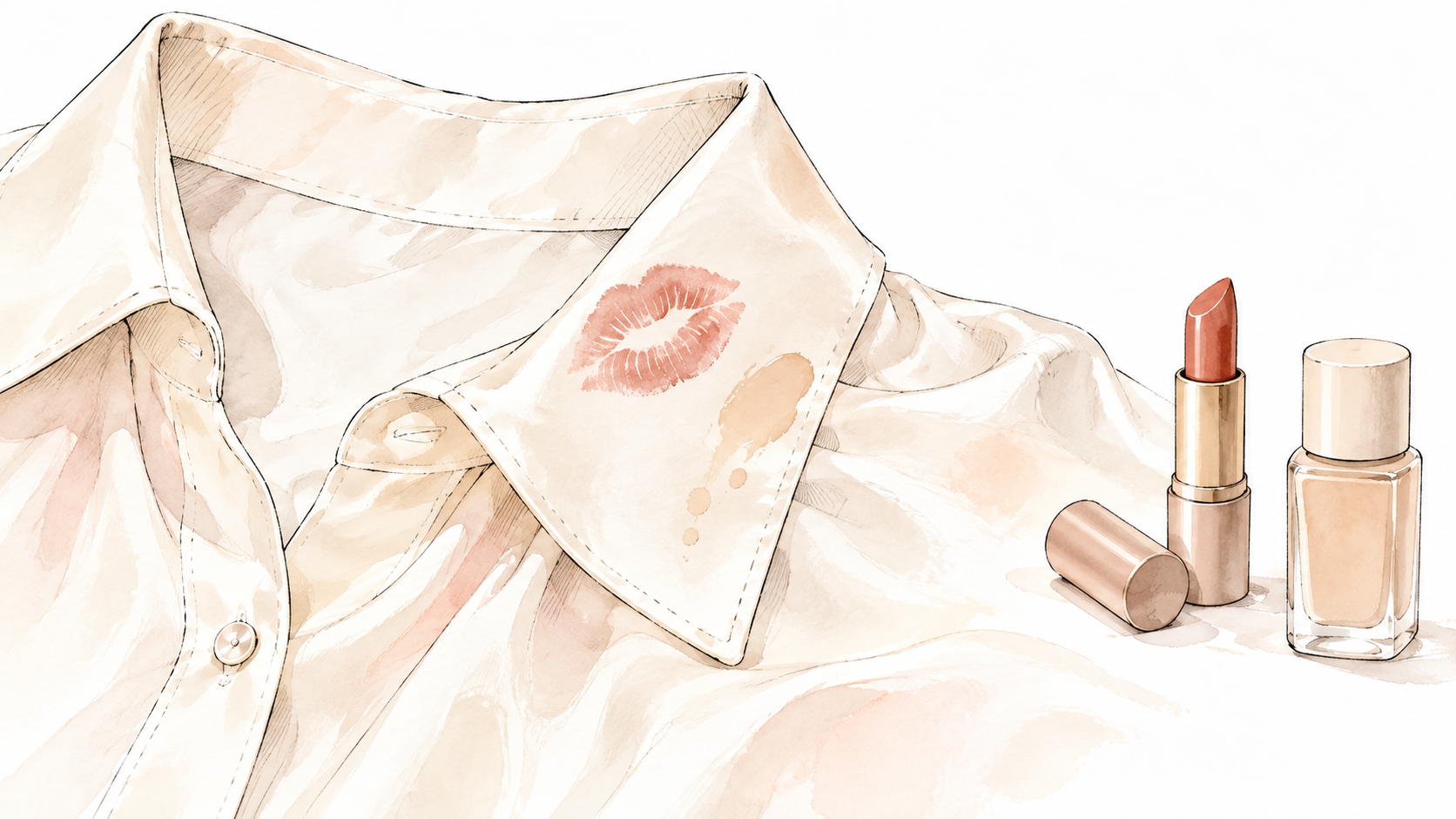
Makeup & Lipstick
Foundation, lipstick and mascara combine oils, waxes and pigments.
Read the guide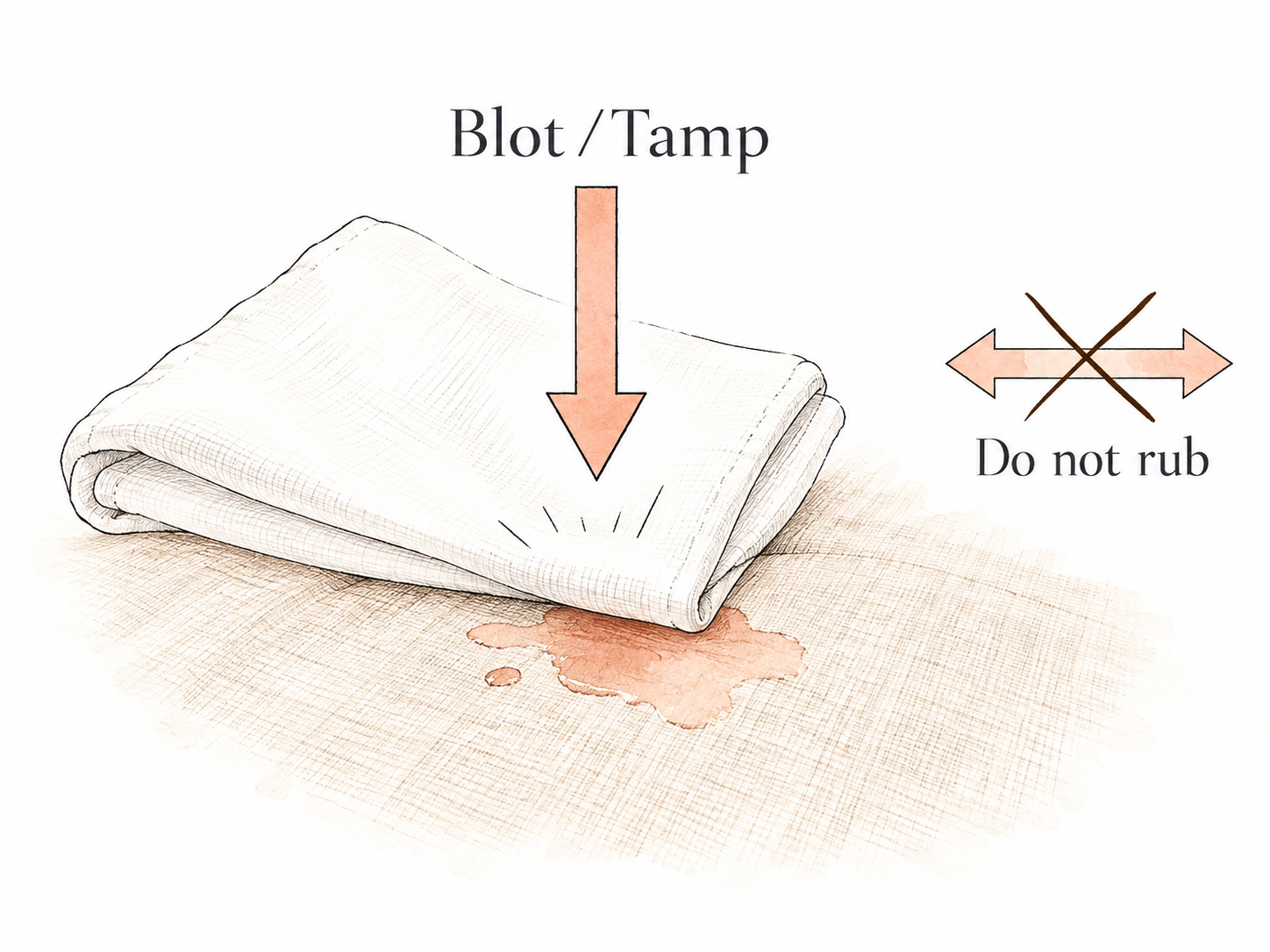
Oil & Grease
Salad dressing, butter, makeup oils. Water will not move it; absorbing it early is what helps.
Read the guide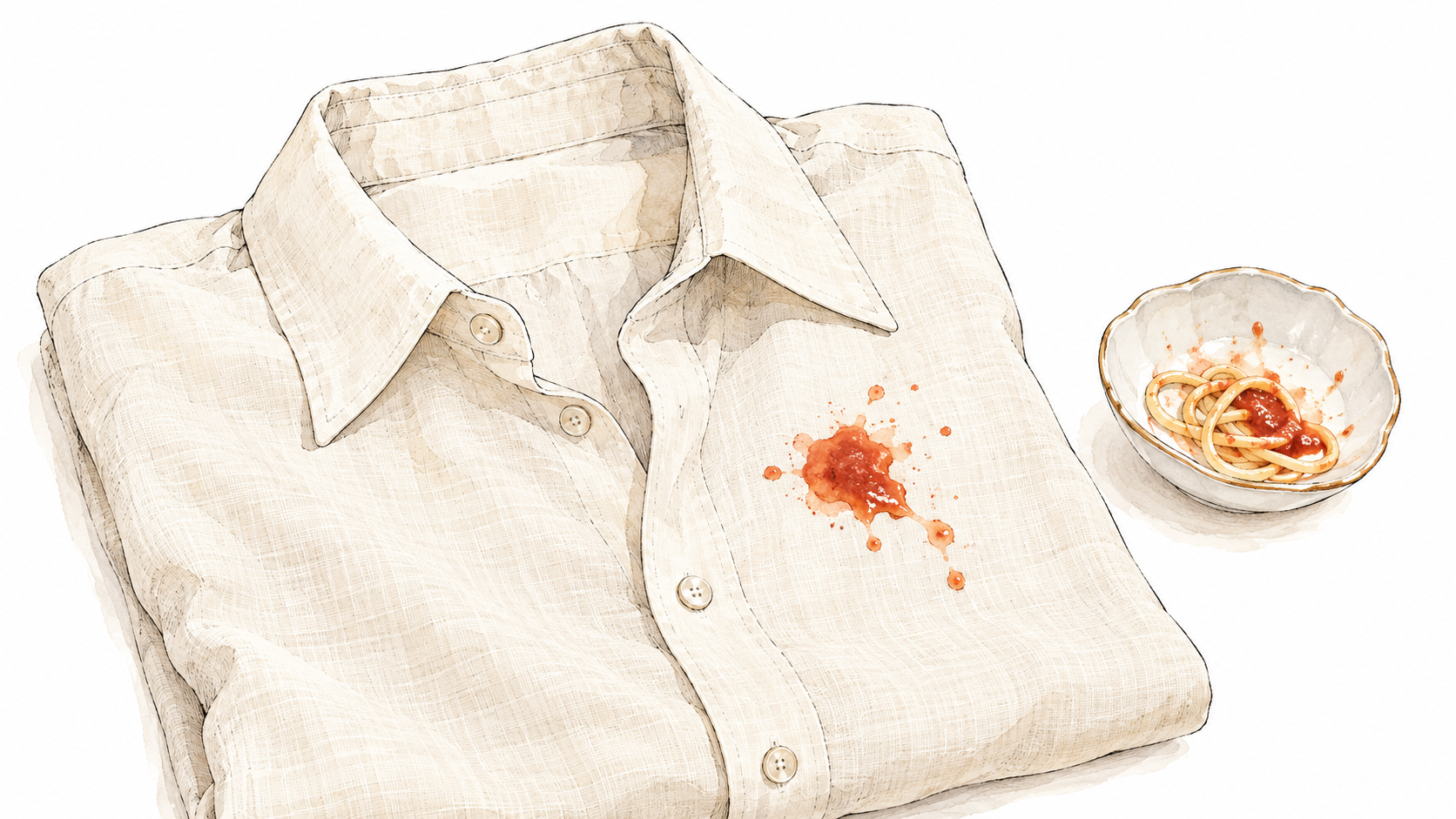
Pasta & Tomato Sauce
Tomato-based sauces combine acidic tannin pigment with cooking oil, and often meat or dairy - a textbook combination stain that sets fast if left warm.
Read the guide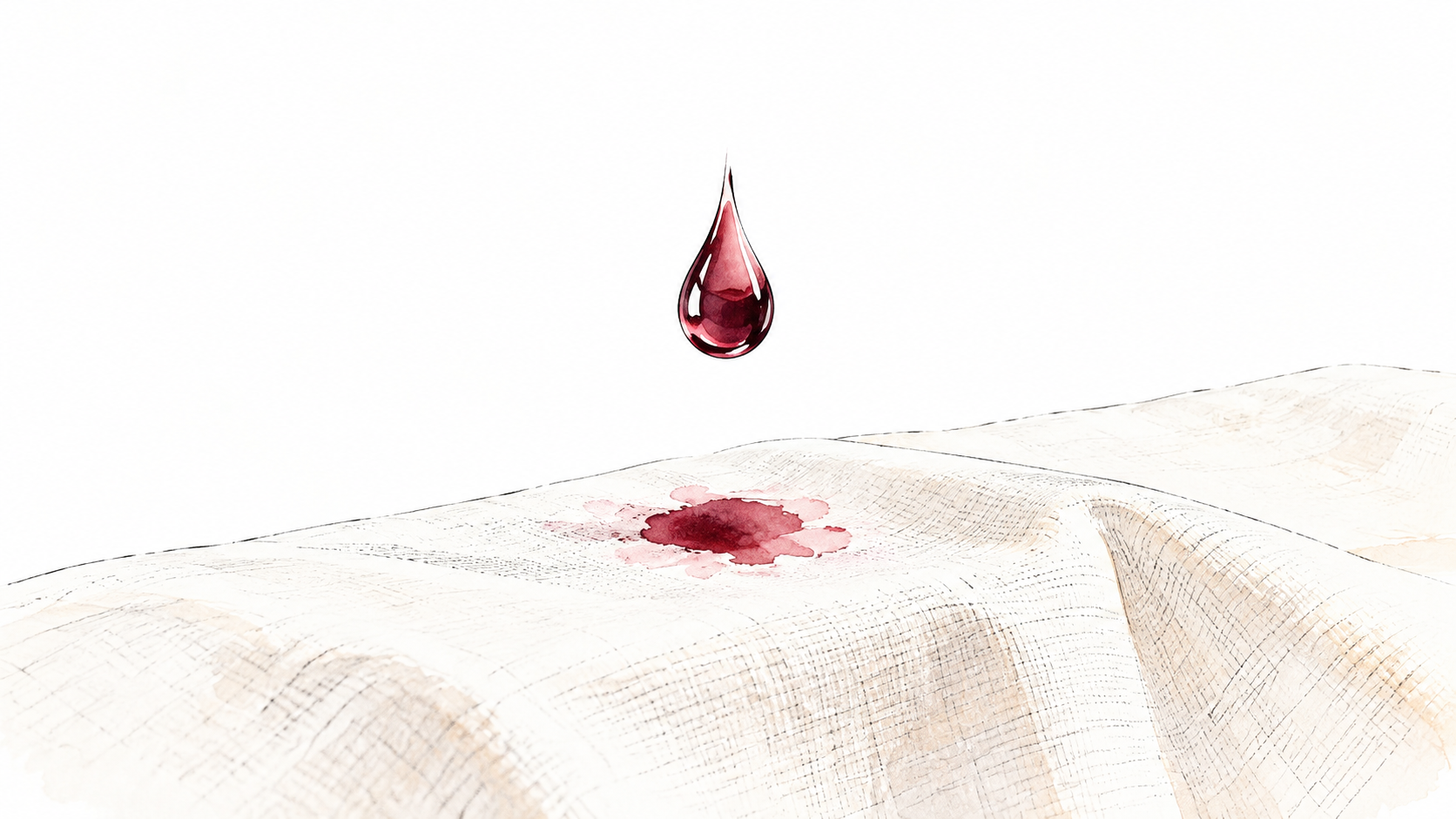
Red Wine
A tannin stain that sets with heat and time. Act fast, stay cold, and blot rather than rub.
Read the guide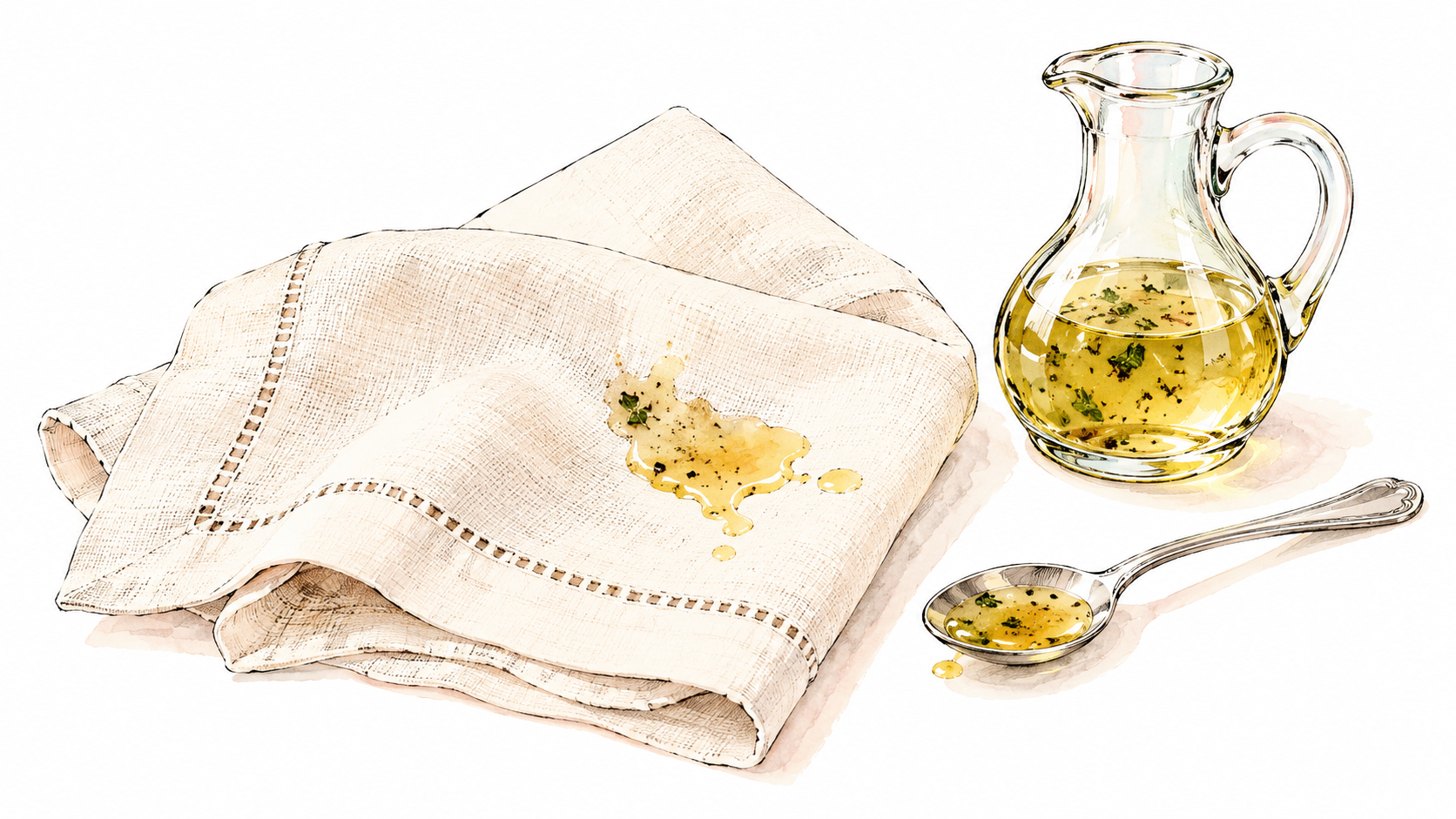
Salad Dressing
Vinaigrettes and creamy dressings are a true combination stain: oil, acid, and sometimes dairy or egg all in one spill.
Read the guide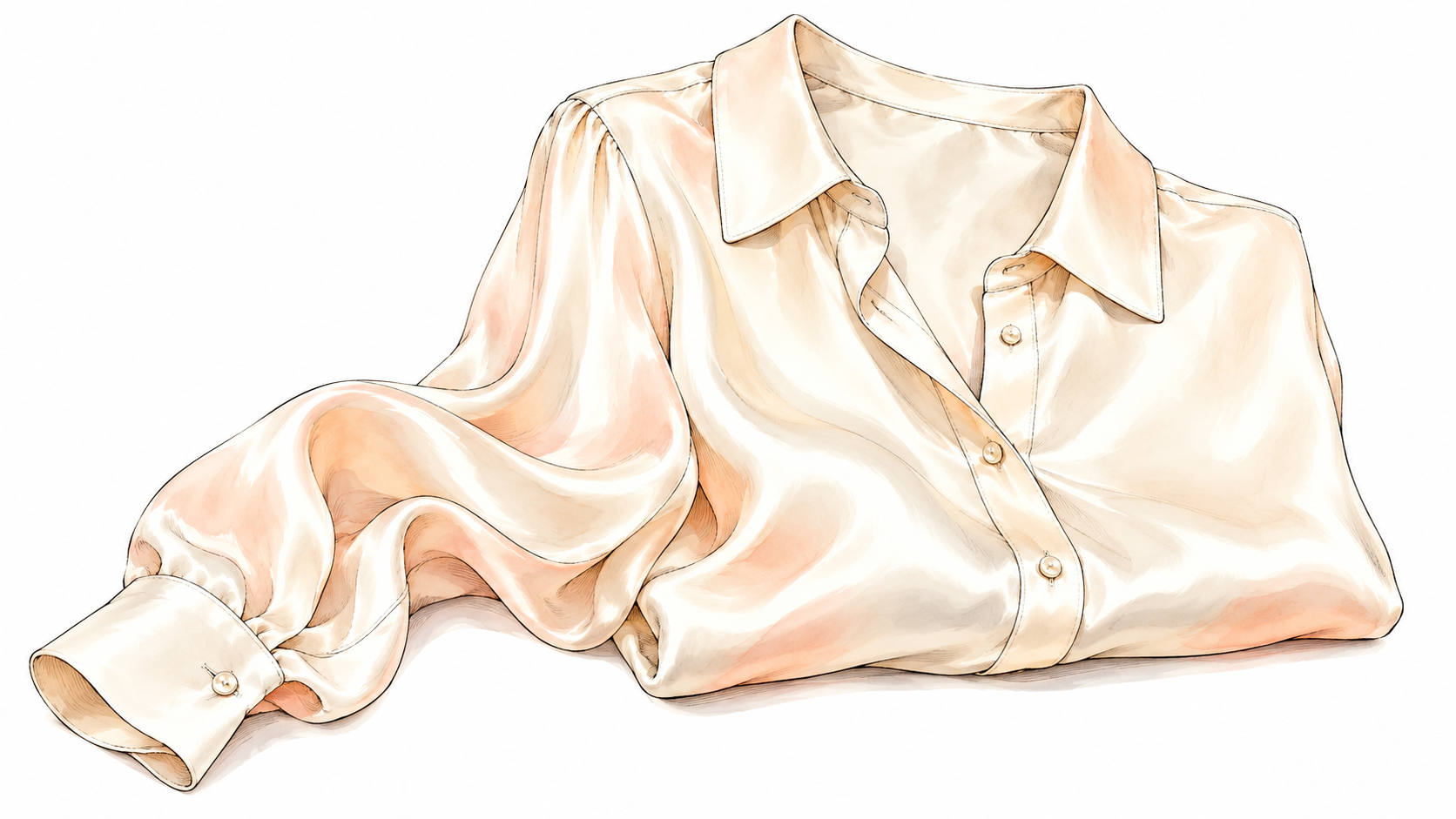
Silk
Delicate, prone to water spots and color loss. Most silk should never be treated at home.
Read the guide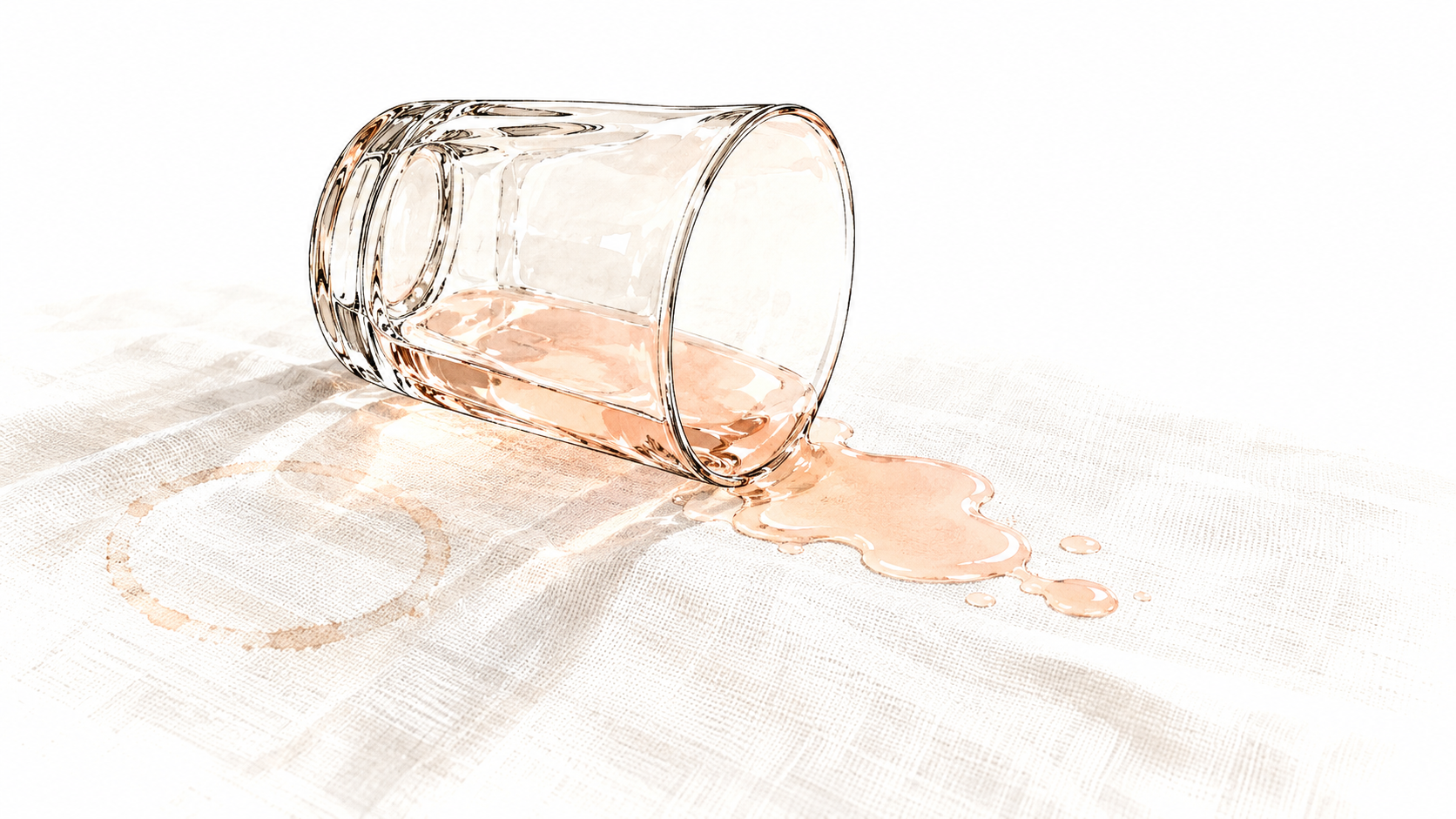
Soda, Cocktails & Sugary Drinks
Soda, juice-based cocktails and syrup-heavy mixed drinks leave a sticky residue that is invisible once dry but caramelizes under any heat.
Read the guide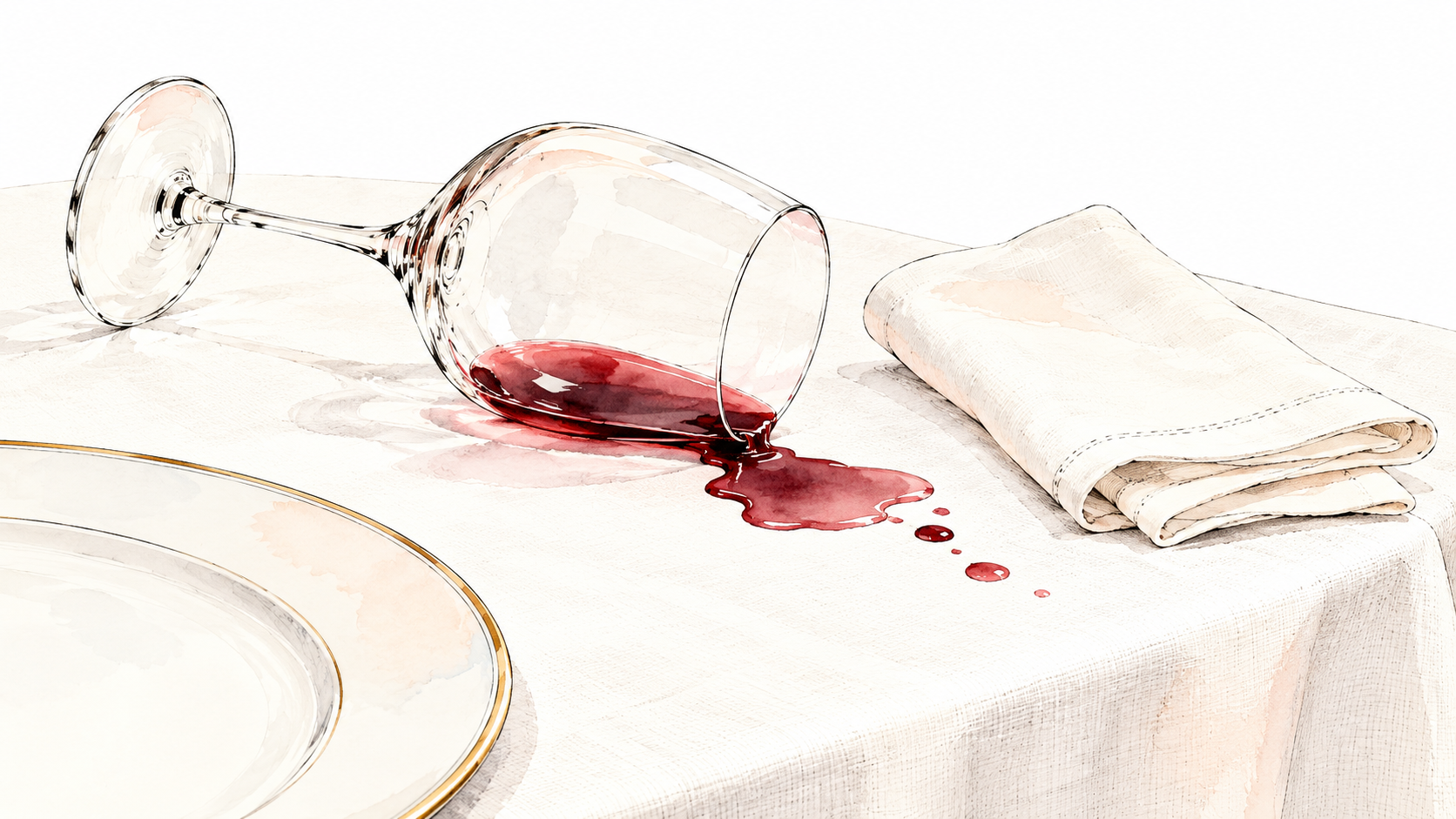
Spill at a Restaurant
What to do in the moment, with what is on the table.
Read the guide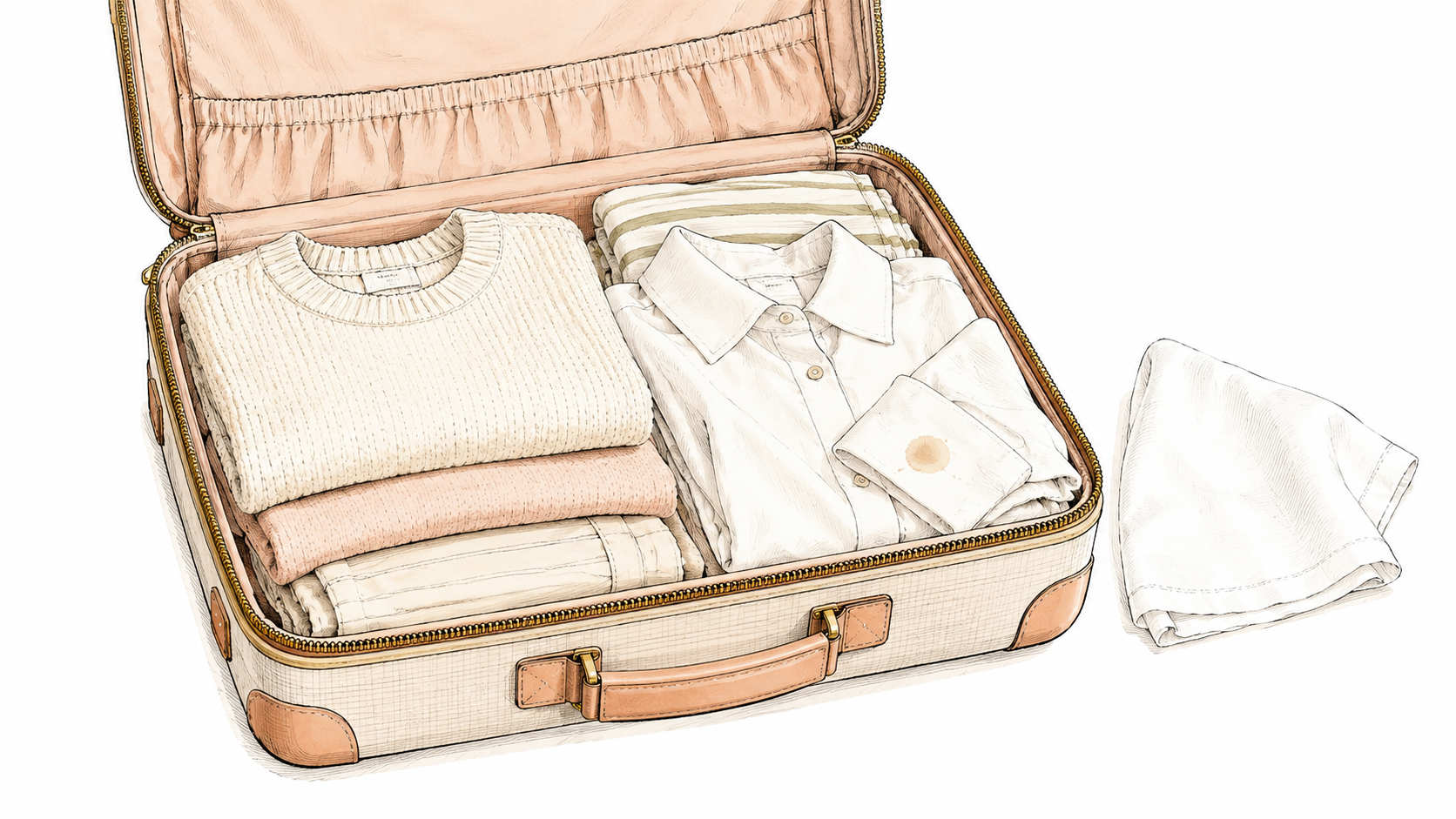
Stain While Traveling
Away from home, the aim is to stop damage getting worse until it can be cleaned.
Read the guide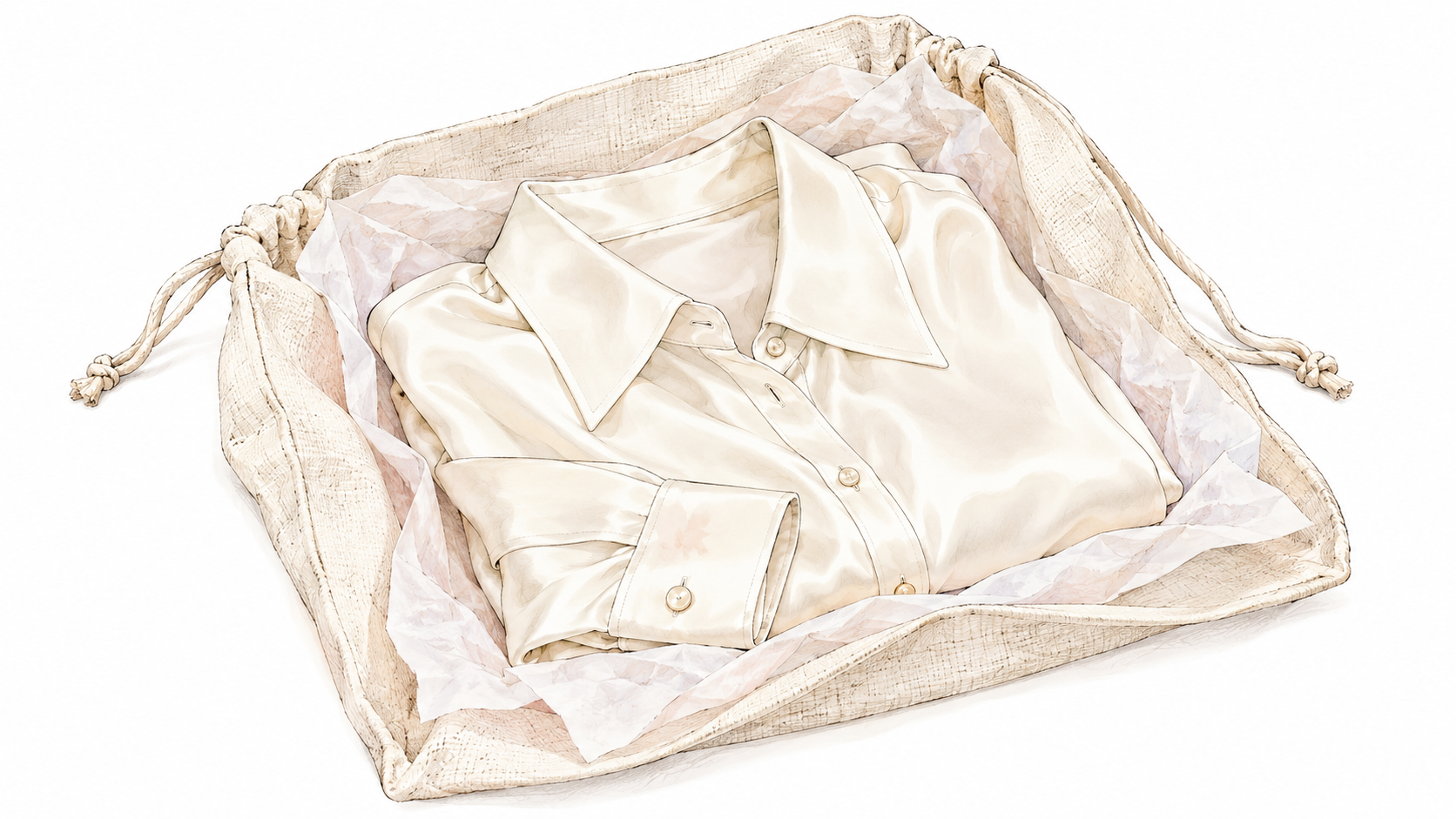
Storing a Garment With an Invisible Stain
Clear liquids, sugar, oil and sweat can all dry invisible, and a garment stored with one of these "invisible" stains almost always comes back out with a visible, oxidized mark.
Read the guide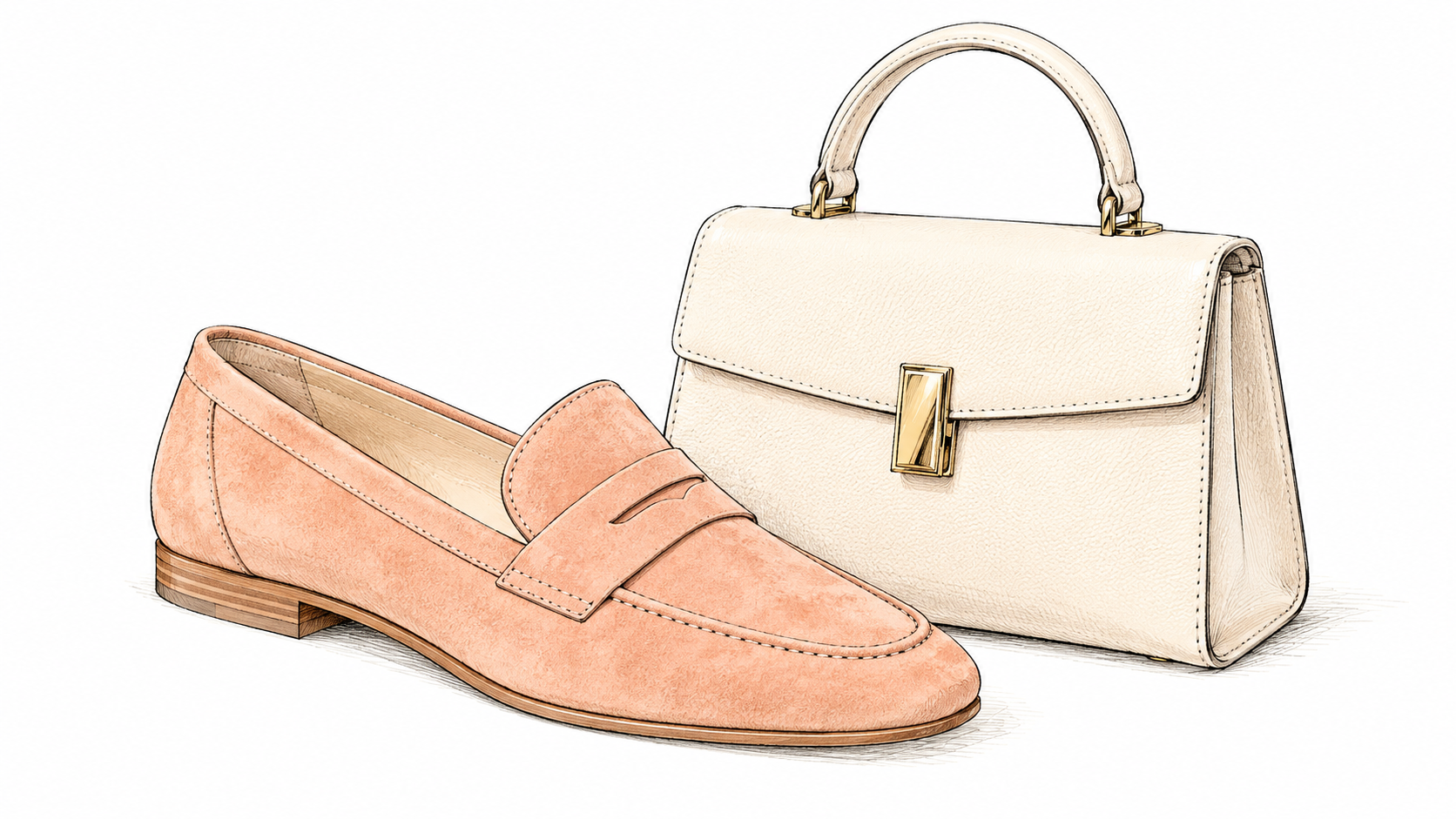
Suede & Leather
Water, oil and heat can all permanently mark suede and leather.
Read the guide
Suit Care & Jacket Maintenance
How to maintain tailored suits and blazers between wears: proper brushing, wrinkle release, and preserving jacket canvas structure.
Read the guide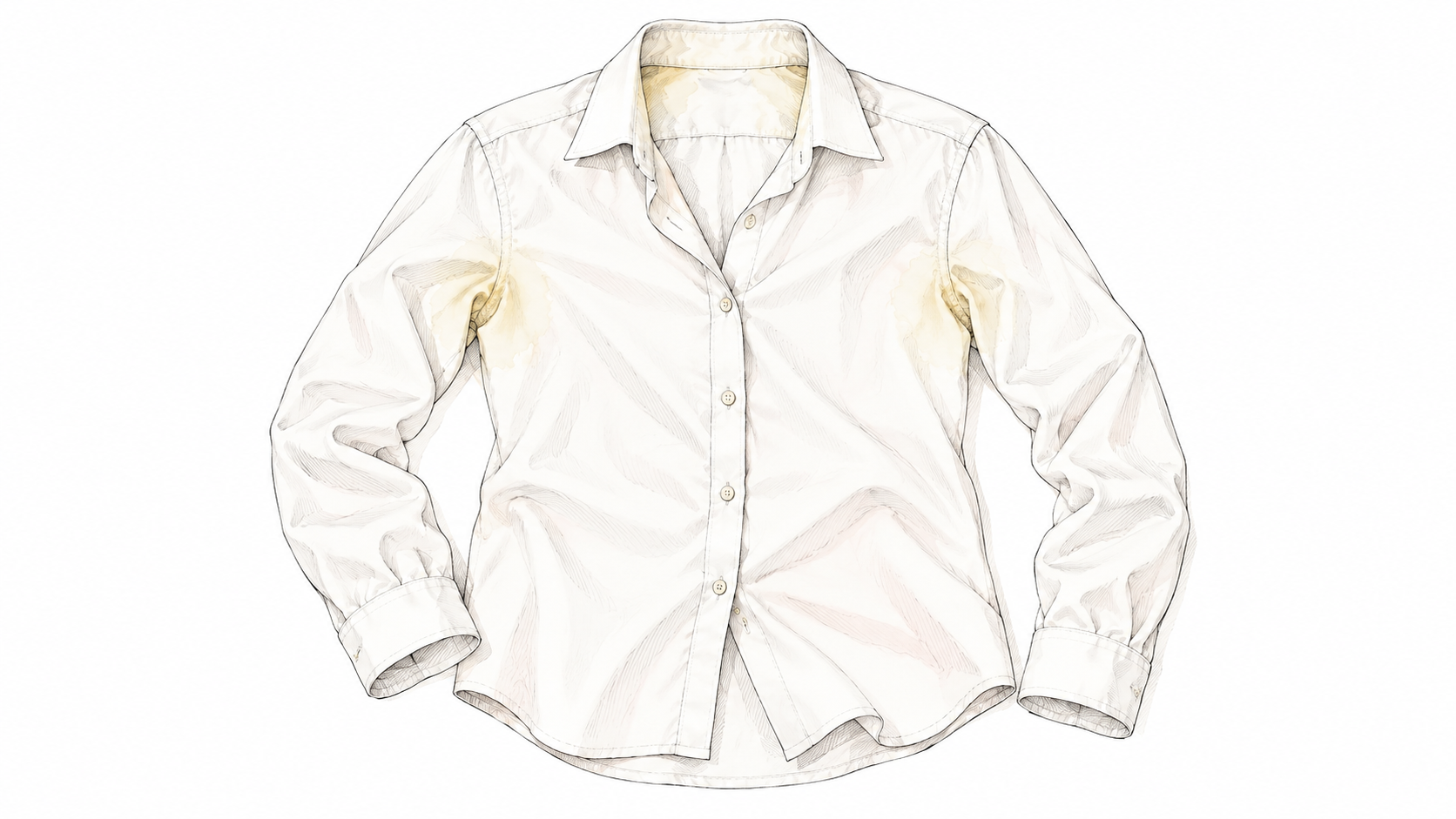
Sweat & Deodorant Stains
Yellowing at the underarm is a chemical reaction between sweat, deodorant and fiber - not dirt sitting on the surface - which is why regular washing alone often cannot remove it.
Read the guide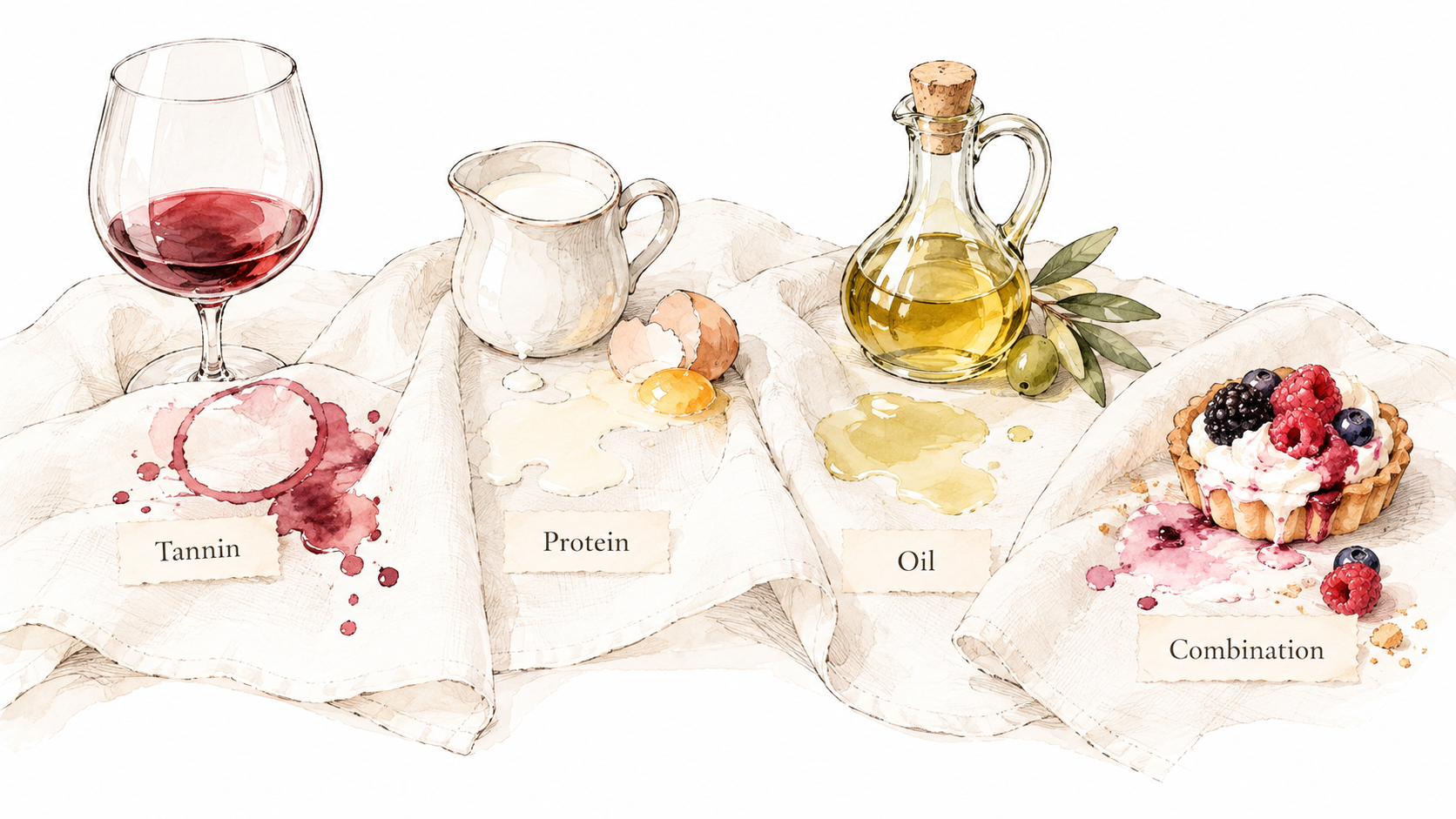
The Master Stain Removal Guide: Triage by Stain Type
How to identify and treat the four fundamental stain groups: Tannin, Protein, Oil & Grease, and Combination stains. The golden rules of blotting, tamping, and water temperature.
Read the guide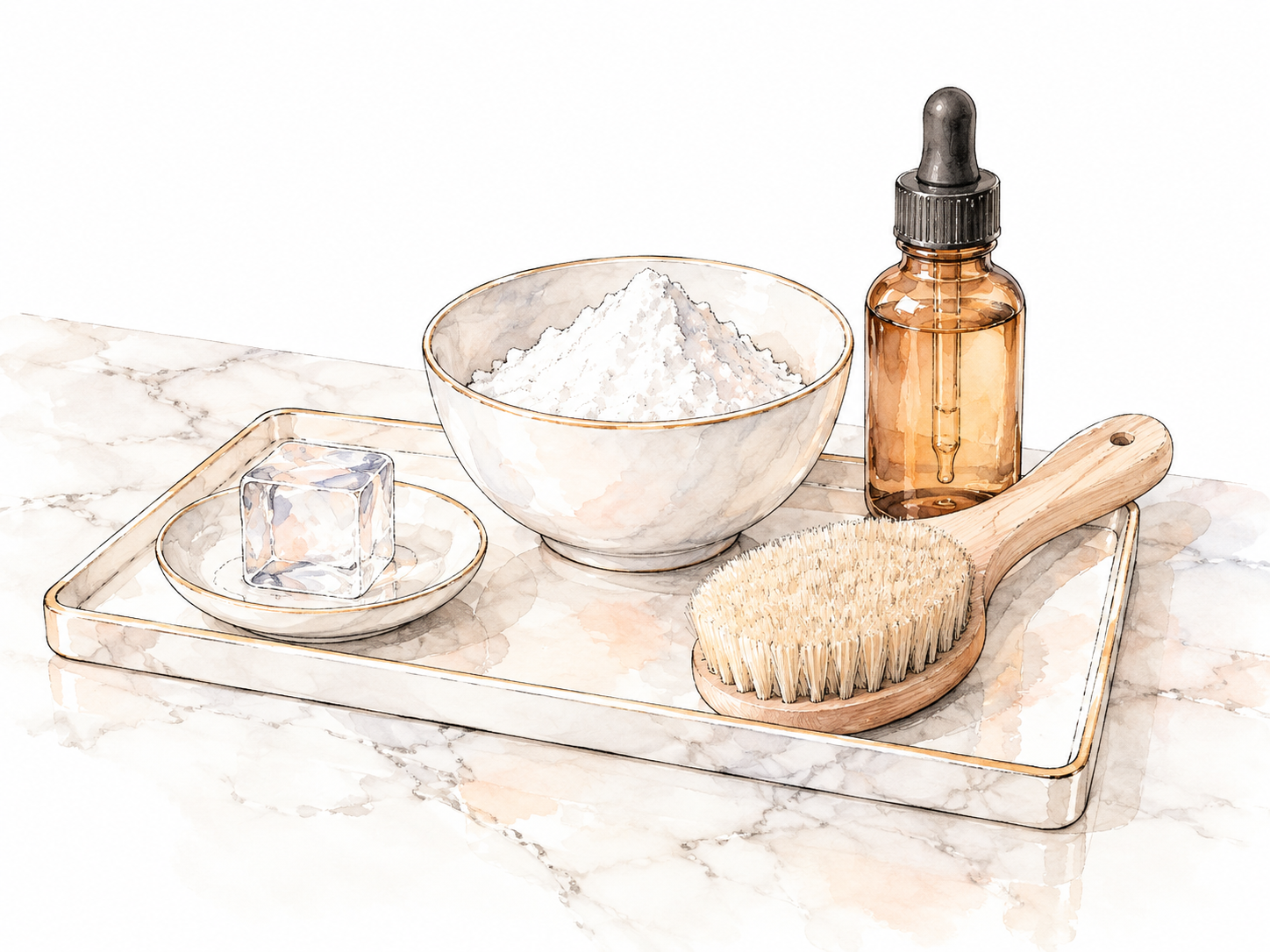
The Safe At-Home Garment Care Pantry
What supplies are truly safe for at-home garment emergencies, and which internet hacks ruin luxury clothes. Clear dish soap, 3% hydrogen peroxide, and cornstarch demystified.
Read the guide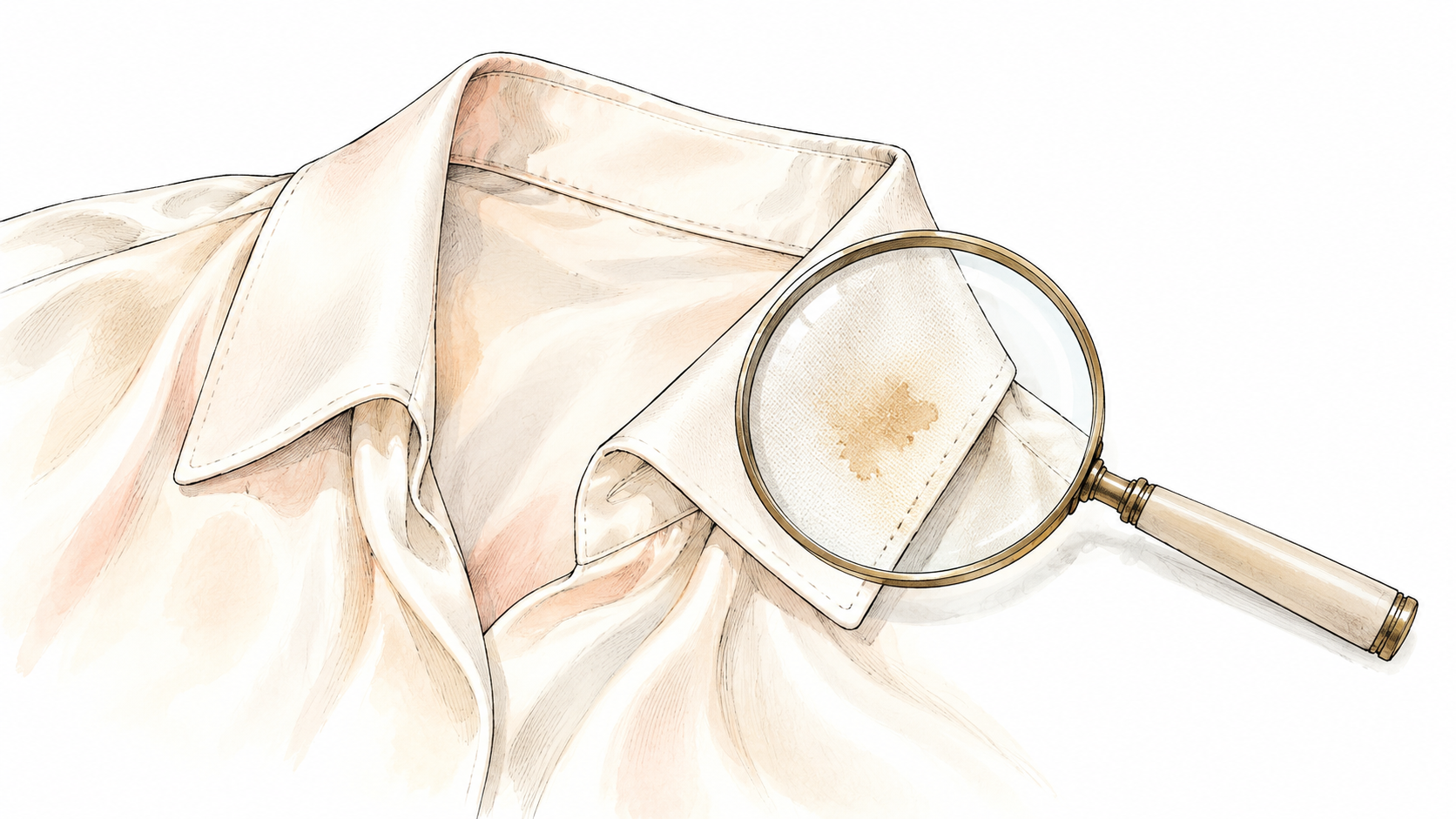
Unknown Stain
If you do not know what it is, the safest treatment is none.
Read the guide
Velvet
Velvet's pile is what gives it that depth and sheen - and what makes it the fabric most easily damaged by pressing, crushing or a careless touch.
Read the guide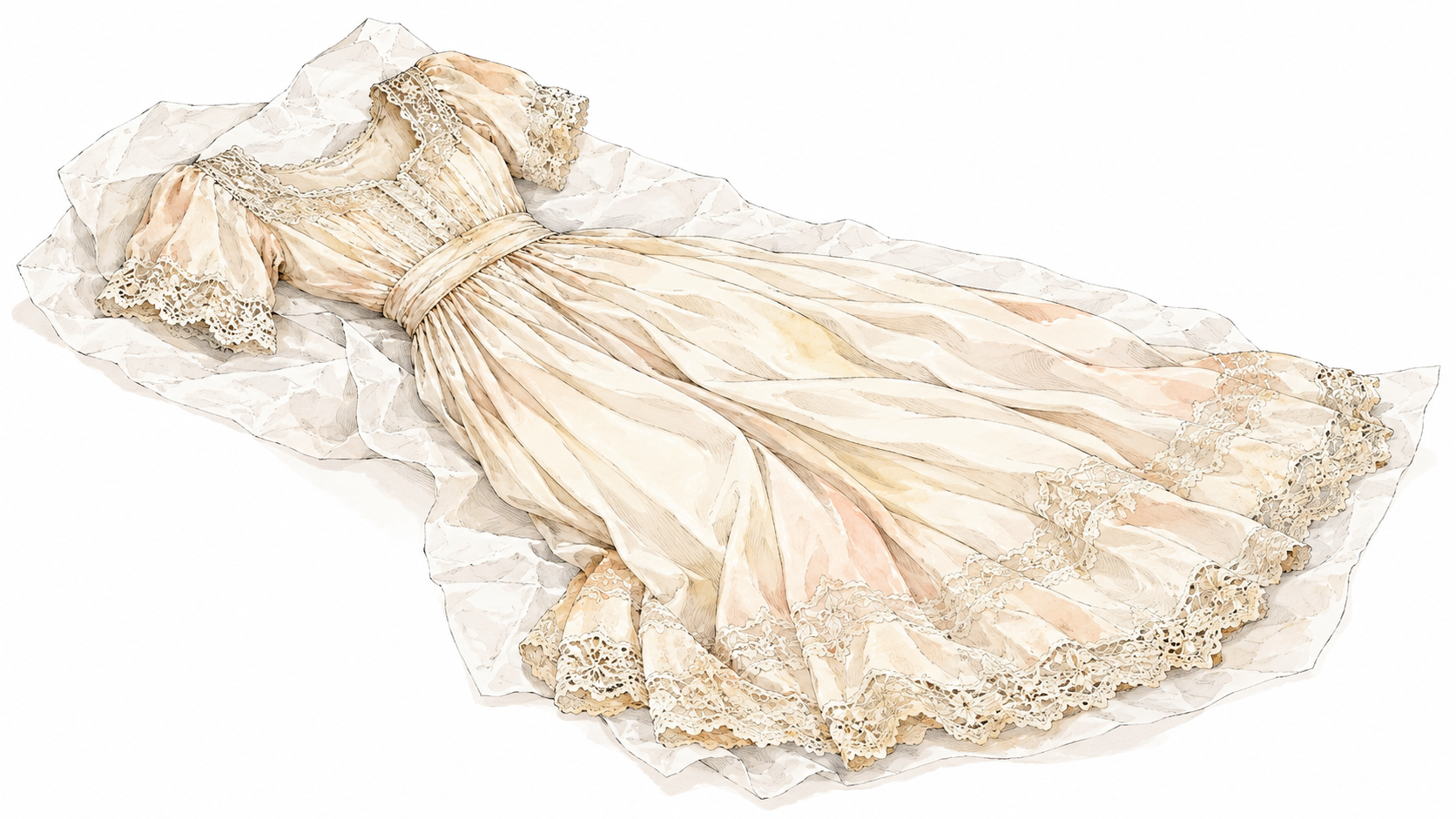
Vintage & Heirloom Garment Restoration
Vintage and heirloom pieces often use fibers, dyes and construction methods no longer common today, which means they need to be assessed before any cleaning - not treated like a modern garment.
Read the guide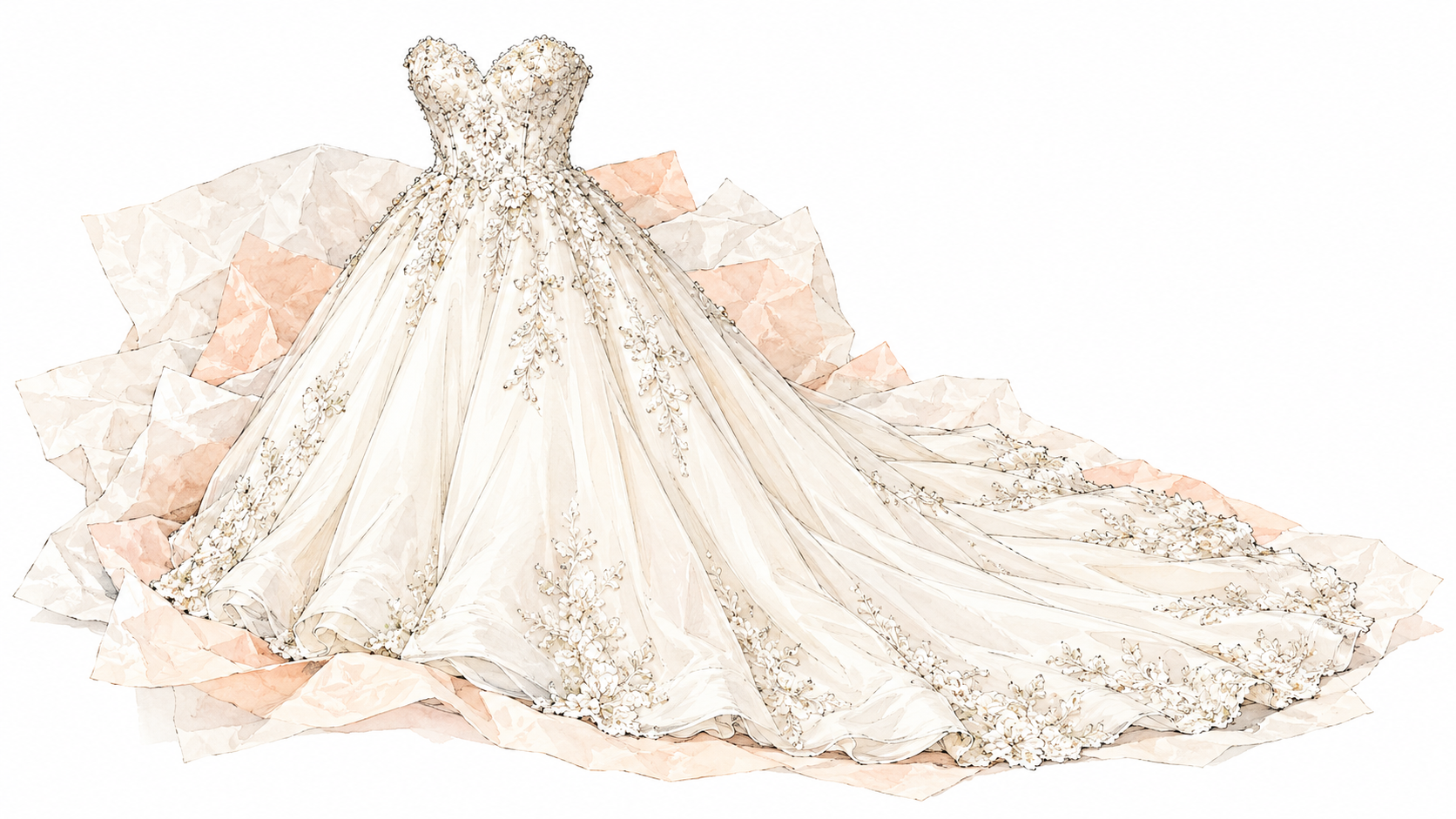
Wedding Dress Preservation & Gown Care
How to handle wedding day dress emergencies, protect delicate lace and beading, and preserve bridal gowns long term.
Read the guide